
Category: Opinion corner

  • Only one firm can challenge Google as a search engine; it’s not Bing.

    Only one firm can challenge Google as a search engine; it’s not Bing.

    Google

    My first memorable encounter with the web was in early 2005. For a kid in a third-world country, this is quite early. I’ll admit that I have become a sort of an addict since this time, and you wouldn’t blame me…seriously. The Internet has become pretty relevant, for an idea that was considered unpractical when it emerged, just like Bitcoin when Satoshi released their whitepaper. And just like memecoins, Google has become one the most popular products of the internet. Surprisingly, it is ‘just’ a search engine and not some quantum-based 280 IQ level application. Not to talk down on everything Google has achieved over the years, but the search engine might appear to be the most basic, I’d put the Android OS above it.

    But this search engine has remained undefeated through these years…and there have been serious attempts; Bing, Yandex, Yahoo, the list is a long one. Still, the distance between Google and its biggest competitor is much wider than the distance between the second-biggest search engine and the least ranked.

    This is not some scholarly article, but let’s take a brief look at the numbers;

     The Numbers

    If you are running a search engine firm or planning to start one, you only have about 15% of the total market share to fight for…and just 5% of the mobile traffic. Most mobile devices come with a default Google search function. Apple’s integration of Safari hasn’t changed this. Plus the most popular web browsers just use Google. The struggle is stiff for anyone walking this road. But 15% of the global market is huge, if that makes it feel any better.

    Bing, the largest alternative to Google, enjoys only 7% of the US search engine market share and accounts for only 1.5% of the mobile searches. Pretty decent (the latter) if you ask me. I’ve only used Bing on desktop and can’t even use it on mobile if I wanted to.

    Third place? Bing’s ally, Yahoo. 2% of the Global Market Share. Just in case you consider this ‘little’, it translates to 600 million monthly users. Pretty decent too. In my opinion.

    What a ‘Google competitor’ should look like.

    To be fair, every relevant Google competitor re-invents Google and tries to steal a portion of the market from it. This is just fine, but Google has grown so much in the past 25 years to be pushed aside by a firm doing the same thing. Or, I might be wrong and the only definition of a search engine is what Google has done, and this is why every other competitor seems to have accepted the trailing position, and ‘google’ is the proper diction for ‘Search’.

     What a Google competitor should look like? Definitely better than Google. Better results, fact-checked information, self-updating, and time-relevant information sourcing. In addition, it should have a touch of new-age technology.

    Google’s Biggest competitor? A meme connoisseur owns it
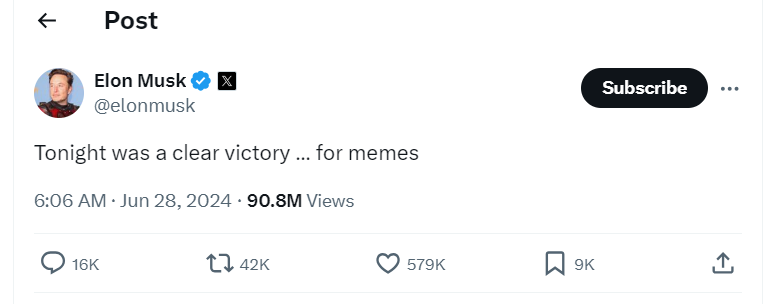
    I created my first Twitter account in 2014, almost 10 years after Jack launched it. Over time, it has grown into the most popular social media application. Maybe not, but unarguably the most refined social media application. You could share your cute moments on Instagram and TikTok (probably) or spend some time with your old ones on Facebook, but once you decide to get serious, Twitter is your first destination.

    I still struggle to call it “X”, not just because of the guilt that comes with that, but mainly because it’s too short. One would think I just threw in a random letter in my article. But if someone spends 44 Billion United States Dollars to purchase anything, they have the right to rename it to anything they desire. So yeah, I’ll refer to Twitter as X for the rest of this article.
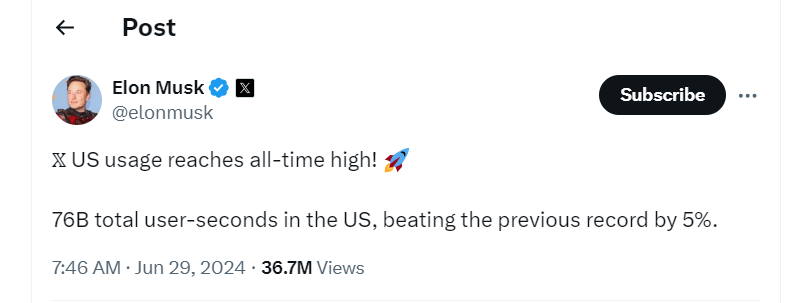
    Whether or not you think the Rocket Man has done a good job with X, the platform has done nothing but grow and become the home to conspiracy theories and OnlyFans creators, but that’s if we decide to dwell on the ‘not so positive’ side of things. On the brighter side, it has become the center of internet discourse. Event updates as they happen, discussions with founders, and insights. I mean, if you wish to verify if Google and Facebook are down, you’ll have to check on X.

    Even before long-form posts were introduced, X had already grown into the world’s fastest-growing library of information, run as a community, it’s like Pixabay, but for real and timely information. Just like the blogs that Google crawls, but this time, with Fact checkers in the form of comments…and community notes. A good percentage of Google search results track back to X.
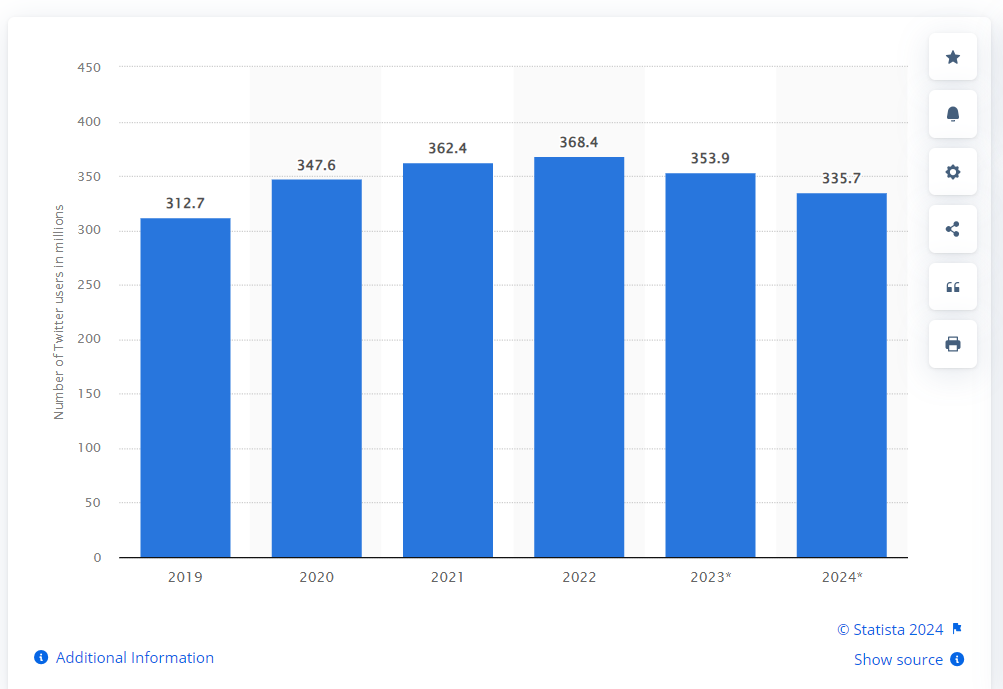
    Data from Statista suggests that about 333 Million people worldwide use X in 2024. Even after adjusting this figure for slight overestimations, over 300 million people run a real-time blog on X. This includes companies, writers, scientists, and firms in this sector. The information pool on X is unarguably the largest in a single concentration. Like 4Chan and Reddit, but with a better interface and more users.

    In my opinion, this is the only firm capable of giving Google a run for its money.

    Is X ready to compete with Google?

    Still my opinion, but yes and no. Ask if X has the resources to compete as a search engine and you’ll get a definite Yes. And if it’s currently doing so, you get a No, not definite, just a simple NO. Probably this is not the direction the firm wishes to go at this time, but whenever it does, this will be Major.

    First, an advanced search interface on the platform. One that pulls information in a way similar to how Google Does it. This is not the classic reinventing the wheel, yes, close to it, I’ll admit. The big difference is the UX, the source of data, the quality of data, and the UI (depending on who designs it).

    Challenging Google

    If X must compete with Google, then it must actually do so. This means, moving away from Google’s coverage and getting it right where Google hasn’t done so. X appeals to the younger generation, even the older generation is catching up, and the timeline for this is rapidly changing. The ‘younger generation’ is fast becoming the older generation. Google is just about 26 years old, but this is old enough in the Internet age. Like Gen Zs looking down on the Boomers, X could be the search engine of the new generation.

    Blocking Google’s crawl bots

    This is completely up to the X team, a dilemma, even for me. Google controls over 90% of the market share for search engines. Being ranked on the first page is a major advantage for any firm. X currently ranks high on the first page, however, one of the ways it would attempt to take the market share from Google is by Moving away from it. Blocking the Crawl bots from Google and other search engines from accessing information from the platform. There could certainly be better ways to implement this and reduce the disadvantages for X. But something like this needs to be done and X marketed as a search engine and not just as a social media application…which it is.

    Computing search requests

    Google matches searches using keywords and related sources. X does something similar, but not like a proper search engine. For instance, here’s the result of a classic Google Search

    On X

    On Google
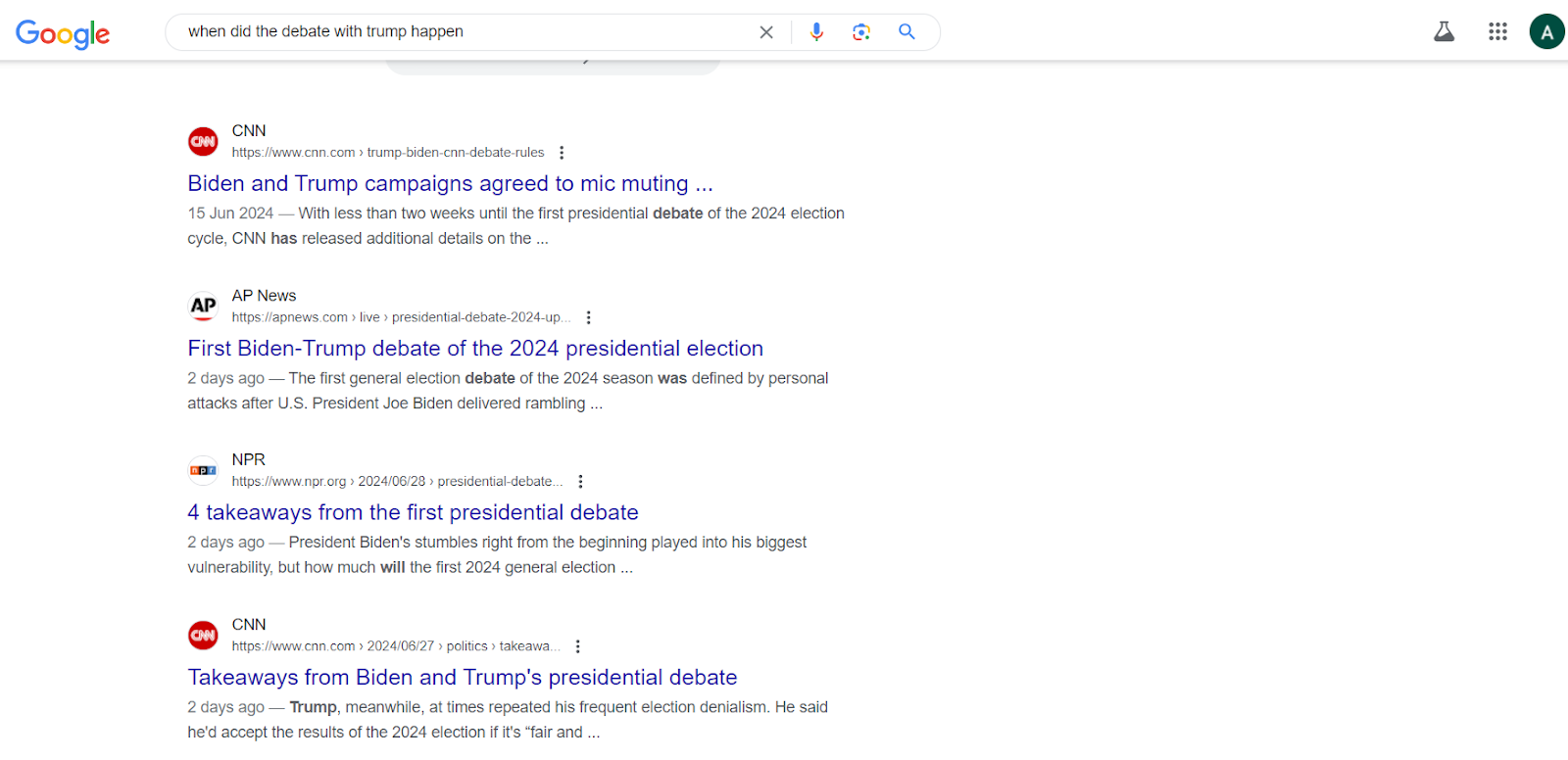
    While a significant percentage of the information on these Google searches is based on posts on X, X is currently unable to sieve them in the way Google does. Therefore, internet users prefer to simply search on Google and follow the sources in the articles back to X, where they get the majority of information.

    As a writer who researches extensively, I’ve realized that X is increasingly becoming my End destination after running through blogs found by Google search. One advantage X offers is the ability to easily follow these sources for further updates on the topic/discussion, a major UX advantage in my opinion. The validity of information and easy access to the original source is a high-impact blow for Google and any other search engines. X can use these to its advantage if it wishes to add a search engine to its many use cases.

    Conclusion

    Elon Musk’s $44 Billion purchase of X is only considered extravagant if you fail to review what can be achieved. X is unarguably the best social media platform ever made. Attempts at creating something similar have failed. Threads, Truth Social, Blue Sky, and some decentralized social media platforms that look similar. The list is growing. Each of these has failed to scratch the surface. Because developing a good-looking interface won’t buy you users. X already has an unbeatable user base who are reluctant to move to any other platform and a library that is 17 years old. Beating this is a Herculean task and a Sisyphean task for many who have tried. Not saying beating X is impossible, this is not the idea. This idea is, that beating Google is possible and X is my best bet. Not Bing.  
  • Crypto thrives on incentives, not utility

    Crypto thrives on incentives, not utility

    crypto airdrop

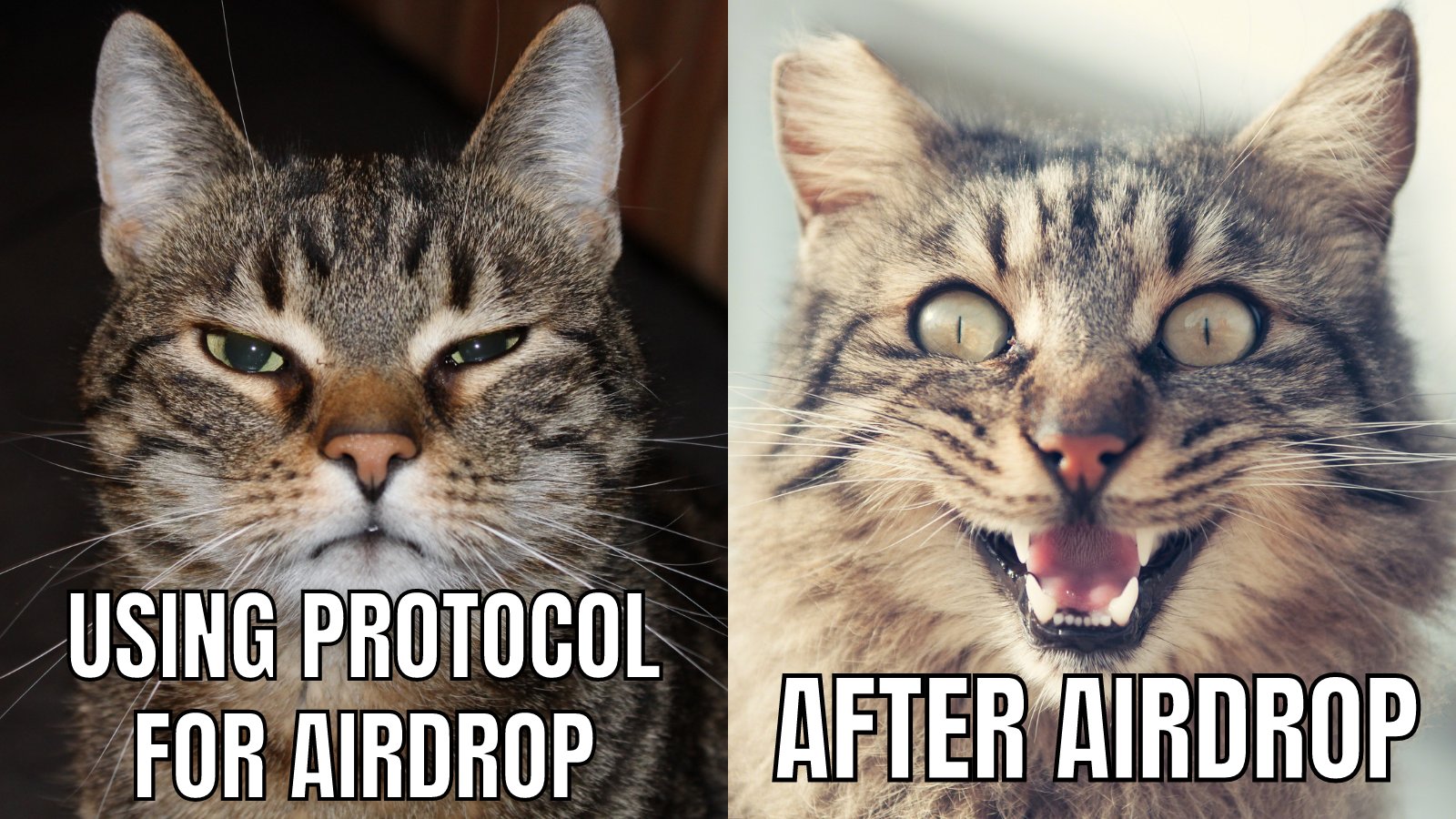
    A $1000 crypto airdrop or another interesting decentralized solution (that really works)? Well, I’m not trying to guess your preferences but you’re more likely to choose the latter if you are from the crypto class of 2017 and older. Anything younger than that; that $1000 cashout is getting picked over anything else.

    The crypto space grew faster post-2017 and if you ever wondered why, the answer is that projects finally hacked the major interest of people in this space…just like any other space where the possibility of getting rich is offered. I’ve accidentally qualified for a handful of earndrops and airdrops; Forth, Arbitrum, Celestia, and some I didn’t even bother claiming due to the ridiculous gas fees on the Ethereum blockchain. While I consider these a reward for genuine interest in projects, this is not the case for the millions of ‘crypto enthusiasts’ and ‘cutting-edge projects’ who have capitalized on the craving for free money. But before I start another paragraph, this is just one of my many rants that no one (should) care about. Don’t forget to farm your airdrop, regardless of what I say next.

    But yeah, I assessed the daily activity charts of many L2 projects and testnets for L1 projects and noticed a similarity with that of a usual memecoin that an African ‘dev’ rug-pulled and is struggling to recover. Peak user activity before the airdrop and then everyone moves to the next hotspot. But that’s fine because the project team already capitalized on the ‘Two million’ active wallets. These stats get lost after launch, the reason…doesn’t fit the context of this piece.

    GAhHbWBWUAIQmrG.jpg

    Thousands of projects fill the crypto space, 70% didn’t exist before 2017 when even mind-blowing technologies got lost in the midst of hundreds of other high-tech decentralized solutions. Even Dogecoin – the only surviving memecoin of this era debuted some reasonable technology; one that a ‘dev’ can’t crash after an hour. But projects from this era get overshadowed by comparatively inferior new projects. Even with the bulkiness and high cost, original Ethereum DApps still score above alternatives on other new-generation networks in terms of request delivery.

    Crypto has penetrated every sector that can run on the internet; Payment, AI, routine finance, health, and geography. In any case, these projects gain quick users, the popular belief is that this is driven by utility. Well, not so true when 90% wouldn’t bother about sticking to the traditional method if these ‘decentralized solutions’ aren’t laden with ‘get rich quick’ kind of promises. The user activity stats on decentralized social platforms compared with the reward value over time prove that everyone will be fine with Facebook and Twitter if these platforms don’t promise to pay them for drinking coffee.

    Crypto thrives on incentives, just like any other similar system. Only issue is; these decentralized solutions couldn’t care less about delivering well-functioning applications when a community allocation in their tokenomics is enough to lure millions of users; despite the hardships of using these applications. Can blame users, everyone wants to get paid for being alive and these projects do it perfectly. One airdrop after the other and even more routine rewards. Every project leads with a token before the real product. As long as something is promised, users will flock. Rinse repeat.

    If an incentive was attached to writing these rants, I’d have done more of it, but that’s not the case. So, it comes once in a while. Maybe when Bitcoin hits $80K I’ll work on the next edition of Snack Talk…if it does. To close this one out, it will be cool if projects focus on genuine utility and plausible UX.

  • I rode the Solana Memecoins Wave; here’s what I learned

    I rode the Solana Memecoins Wave; here’s what I learned

    solana memecoins

    This isn’t even a flex, but, thanks to the profits made from this venture, CryptocurrencyScripts now has a runway of at least, 5 years. I’ve spilled the beans, now we can move on. Even if you have yet to dip your feet into any of the flurry of solana memecoins, you must have heard about one of them. The one Wif a hat or the one about a used Honda 2001 Civic. Really cool memes from each of these projects, but if they are worth the millions…I can’t say for sure. But I know one thing, everyone dabbling into those projects is looking for a Max Wynn…sorry, win. Memcoins are fun, especially when they 10X your ‘investments’, can’t say the same if they -90%ed your investment in one hour. I’ve been in both, I enjoyed the former, the latter was also fun.

    After a few months of ‘aping’ into weird projects, I have a diary to share. Not like anyone cares, but even if this doesn’t get to the cabals and the cults, it’s always fun to write on this platform. Just to mention, the next episode of the Snack Talk is also in the works!

    I’ll get to it quickly

    We are all here for the money!

    2rb19p.jpg

    Yeah, quit the ‘tech’ talks already. It’s obvious, no one is here for the technology. I used to put it at 10%, but it’s actually 0%. Memecoiners are just like everyone else who dabbles their money into a magic internet coin with the hopes of making massive profits, and converting everything to fiat…and buying a Lambo. Only difference is; others play the long game while memecoin connoisseurs play the fast game. Most investors are a hybrid. The random investor will take a quick 100X over ‘a ground-breaking decentralized innovation’. No pun intended, but reality hits hard. The usual 1hr chart for every new memecoin depicts, FOMO, profit taking, and rugpull, in that order. And this is where the fun lives!

    Are crypto investors really smart?

    Screenshot (1826).png

    Smart investments are preceded by proper research and risk-managed entry. Thing is, memecoins don’t give anyone a chance to do any of these. The boat might be far gone before you get to any of these. It’s the old-fashioned ‘first ape, then research’. If that’s the case, then, are we really smart investors or autistic degenerates who jump into the water without checking the depth? This question is not even a caution or a corrective ponder, just asking if we are still moving in line with the goal of breeding a generation of smarter investors. It is clear why the wizard of Berkshire Hathaway isn’t a fan of anything we are doing here. No problem, he can have his fiat while we have our Bonk!

    The Bigger Fool Theory

    nansen-twitter.jpg

    Remember what you had in mind while buying that memecoin? I can’t read your mind, but somewhere in there, you are convinced that someone will be dumb enough to buy after you and drive the price up. This is not about memecoin only, maybe it is actually a big factor driving the general cryptocurrency gains. A lot of unconvincing crypto projects make it to reasonable heights simply because the next partially convinced investor jumped in with the hope that the dumber money would follow. The pyramid collapses when the next ‘fool’ doesn’t emerge.

    Rugpulls are only serious if the project never recovers

    Removing liquidity is the old-fashioned way of doing rugpulls. That act already improved and I think the new method is more lucrative. It’s simple and it gives the project a chance of making a recovery if the community takes over and “work for their bags”. Here’s how it goes, create a weird coin, keep a majority percentage, add the rest to the liquidity pool, and dump your bags once buyers come. This way, the initial liquidity remains, you make your money and if the community is strong enough, the project survives and everyone wins…well, not everyone exactly. I’m not telling you how to get away with murder, but this gives the project a chance of surviving and maybe you can get away with your Theft. Yes, theft.

    ‘Influencers’ are the literal Wolves

    1bf97d9b9d99b9ac82687021ae1c3e27.jpg

    You’d ask why UsedCar is sitting at a multimillion-dollar market cap while Panda, an older and similar project on ZkSync is wallowing below the $30,000 market cap. The answer, the influencers didn’t get to it or haven’t gotten to it yet. It’s never a crime to talk about a project you are interested in, but doing it just to lure your followers and dump the tokens you got for free on them is a ‘wolf and Lamb’ parable. For every memecoin that made it to the top, there are tons of influencers using their followers as exit liquidity. Really plausible how they are able to do the luring game, something to learn about marketing there, the end goal is the only negative part. Lots of quality memcoins projects never make it out because they prefer to stick to the community-building goal instead of greasing influencers’ palms. Well, no sympathy here, it’s all a game anyway.

    The biggest Fundamental is Shilling

    fucking-shill.jpg

    If you want something out of a project you are invested in, the only thing to do is to Shill it. To your friends, your colleagues. Yeah, they are your exit liquidity, but that’s how this thing goes. Bluechip or just a memecoin, the biggest fundamental is Shilling. To put it straight, the project with the most shillers wins.

    Ask if I still nurse the idea of gambling on memcoins? The answer is a big Yes, just like anyone else who wishes to test their risk-taking abilities. The essence of this whole rambling is to share my experience, not to announce that I’m leaving the game. Another goal is to ask the big question; “Are we actually investing or Gambling?” The events around these memecoins suggest that this is all a gamble, whichever one, managing risks is recommended. On the outlook, the Rugpulls and investor deception do not paint a good picture of the whole space. But hey, the warnings are everywhere. Memcoins, just like any other crypto investment is a high-risk venture. The thrill is there, the stock market and its 20% annual gains are boring and it’s human to go in search of thrills. Memcoins present that on a platter, it is not clear if this is good or bad.

    Follow up with CRYPTOCURRENCY SCRIPTS to stay refreshed in the crypto space with comprehensive articles and important tips.

  • IS DexCheck token (DCK) set to go up in Q4 2023? Fundamentals says Yes!

    IS DexCheck token (DCK) set to go up in Q4 2023? Fundamentals says Yes!

    The last quarter of the year is usually a dramatic one for the crypto space. One to look up to. I’ve been going through the assets in my portfolio and also looking into other assets and applying analytics to estimate their different potential going into the last weeks of the year. I’m personally not so much into TA analysis, fundamentals have consistently proven to be the most trustworthy metrics, especially for prolonged periods, say 4 weeks or more.

    The whole year is setting up the tone for a green 2024, the whole market has been in consolidation for the majority of the year, and with so much silently bullish news coming up in the past few months, even the last months of the year looks promising.

    640 x 640 - logo.png

    My biggest bet for Q4 is the DexCheck token. Surprisingly, I got into DexCheck just last week, and have been doing deeper research on the whole project. I will be surely writing more about it in the coming weeks as I learn more. Apart from the technology, which is pretty solid, I’m looking at the potential of DCK, the project’s native token.

    DexCheck token is at the heart of the DexCheck project and is positioned to grow even faster than the project itself. DexCheck token currently trades at $0.022 per token, the whole project is valued at just $3 million. For such utility, these figures might not last for so long.

    Looking at the fundaments, these are some of the reasons why DexCheck token is set for an uptrend in Q4 2023 and Q1 2024;

    Long-term Consolidation

    DCK has been trading between $0.04 and $0.02 for the past three months. During this period, the daily trading volume has stayed above $150,000 on average. The strong market interest and balanced price fluctuation are strong indicators of long-term accumulation. Despite the project making significant breakthroughs during this period, the price has remained stable around this range. An interesting part is the accumulation pattern that has followed the short-term pump in the early weeks of October 2023. The charts look to be headed for another uptrend. Due to the long accumulation period, this could last longer than the last two peaks. This translates to up to 100% gain in the next three months.

    DCKUSDT_2023-10-19_14-07-18.png

    DCK has shown built a strong support around $0.02 which is just a little above the recorded ATL, it is very unlikely that it will drop below this level. How the rest of the market moves might affect this, but if Bitcoin remains stable and doesn’t go below $27,000 during this time, DCK could be on its route to price recovery in the last quarter of the year or early in the first quarter of 2024. A price of $0.05 puts the whole project at an FDV of just $5 million and a total market capitalization a little below that. For a decentralized application that actually works, there is still so much room to grow at $5 million.

    New Updates coming to the platform

    DexCheck announced a new staking pool for the DexCheck token with up to 36% APY. DCK token Holders can earn some good rewards by locking up their tokens in the pool. But this is actually the least update from the project. DexCheck has announced a handful of exciting updates.

    DexCheck token updates

    I’m personally excited about the Initial Private Sale Offering (IPSO) feature. IPSO is a launchpad for new crypto projects powered by DexCheck. IPSO allows investors to buy into new projects before they start trading openly. This is reserved for DCK token stakers and is another way the project attempts to boost the utility of its native token. DCK holders can now invest in promising projects before anyone else and enjoy the full privileges.

    The Beta version of the Smartfolio feature has also been launched and the roadmap hints at even more exciting releases in the last quarter of the year. On the technological grounds, this is good news for the project and the investors. how this affects the DCK token price depends on how the rest of the community reacts to the update, but price growth is likely if the new features work as promised.

    The AI and Trading bot narrative

    AI-powered trading utilities made the headlines in the mid-quarters of the year. Some notable ones include UnibotPAAL AI, and for a shorter term, DexCheck. DexCheck token, unfortunately, gained pace when the wave already started settling down. But this is normal in the crypto space, every trend gains an initial wave, settles down, and returns with an even bigger wave. We have witnessed the first wave of AI and messaging-app trading bots. But while the wave appears to be settling down in terms of the price of these projects’ tokens, the technology is actually growing and even more people are embracing the technology.

    DexCheck’s Telegram bot has grown to over 2,500 active users in the past three months. This growth is continuous. Other Telegram bots have seen significant growth as well, but DexCheck seems to be catching up faster, relatively. With this growth pattern across AI and trading bot projects, both could experience another wave. DexCheck fits into both narratives, coupled with the current low capitalization, this is one to watch going into the last months of the year. The number of DCK token holders has also grown to over 4,800 at the time of writing, showing strong signs of adoption.

    Exciting partnerships

    Between October, 10 and October 20, 2023, DexCheck has announced a handful of very interesting partnerships on marketing and technological grounds and doesn’t show signs of stopping any time soon! First, the marketing partnership with Kucoin Exchange is set to run for a couple of weeks. We will see the DexCheck token and project being marketed to traders on the exchange during this period of time, this could grow traders’ and users’ interest and an overall growth in the token value is not out of the line.

    DexCheck token partnerships

    Apart from marketing partnerships, DexCheck has partnered with USDD to bring the stablecoin to the platform, as part of this partnership, USDD will also integrate the DexCheck trading bot into their platform. With the two projects pursuing mutual growth, we could see some benefits from this partnership. The partnership between DexCheck and Syncswap will also enable DexCheck to make an entry into the ZkSync Era network. This follows the expansion into the Binance Smart Chain.
    DexCheck has also announced a partnership with InterSwap to bring more AMMs into the platform. DexCheck is growing its community by expanding into new communities. This is yielding returns in terms of adoption, it is only a matter of time before the DCK token catches up to these developments too.

    Bitcoin ETF

    fake Bitcoin ETF approval news caused a rapid price jerk throughout the crypto market earlier this week. Even though this didn’t turn out how every crypto investor wanted it, the price movement is a micro show of what could happen when the first Bitcoin ETF gets approved. How the news unrolled is yet to be fully diagnosed, but from developments around the ETF fillings, the first Bitcoin ETF could be around the corner, the last quarter of the year could be the time. This is a wild guess, but has some backing to it, judging from how things have unfolded in the financial space.

    Bitcoin ETF as a factor here is from the widely known “bitcoin pumps and others follow” pattern. If Bitcoin finally moves big, the DexCheck token will be one of the best-positioned assets to move even harder. The Bitcoin effect is hardly avoidable, the whole space appears to be tied to its movement and the DexCheck token isn’t different. If Bitcoin moves, DCK is the token to watch closely.

    Final Thoughts

    There is a lot on the line for the DexCheck project, and its utility token is certainly not being left out. To get the best out of the platform, the DexCheck token is a must-have, the tokenomics is in the best interest of the investors. The market usually moves toward the real builders and the team has been working hard behind and on the scene.

    However, Predicting price developments for crypto assets is tough. Fundamentals are the best bet, but this could also go south. DexCheck is being run by a dedicated team, which is one of the most important clues for investors. While the team strives to grow the project, the market could also react differently or less than expected to some new developments. That being said, always do your own research before investing.

    Here are some resources to assist you;

    My previous post on DexCheck

    See latest updates on X

    Available utilities on the DexCheck Platform

    Join the Telegram community

  • BRC-20 tokens: Memecoins on the Bitcoin Blockchain.

    BRC-20 tokens: Memecoins on the Bitcoin Blockchain.

    BRC-20 tokens

    Bitcoin maximalists used to hold on to Bitcoin as a store of value and a major contender to gold. The Ethereum community claims the top spot is well deserved for their virtual internet and computer. No pun, both are great projects, and any joke made henceforth is just for fun…I needed to put that straight.

    The idea that Ethereum invented a shitcoin production factory isn’t far from the truth. The Bitcoin guys would blame smart contract tokens and institutions that promote them for spoiling the crypto space. With each memecoin season that passes, this becomes even more obvious. I’d appreciate stricter regulation in that space, but Mr. Gary Gensler has other plans. Side news, FTX is making a comeback, and the crypto space seem to have gotten over that multi-billion-dollar tragedy. Well, everyone probably made their money back by buying PEPE and BOB tokens.

    Now, whatever agenda the Bitcoin community is pushing against Ethereum and the whole EVM clone space might have to stop very soon. Not even an opinion but a reality. Bitcoin influencers are on about Ordinals, and all of a sudden, NFTs are cool again. Not funny, just surprising. Even the legendary Peter Schiff is minting ordinal NFTs; it’s surprising how these tables turn. The thoughts of making some easy dollars will certainly turn anyone’s head anyway.

    The BRC-20 token market is growing in headcount and dollar value. Ordi is the first; now, there are many more. For an idea that isn’t up to six months old, the space has grown into something huge. How much can you count? Even Pepe has opened up a branch in one of the oldest blockchain networks in modern times. Time isn’t an excuse in this space anymore, so it is time to query the BRC-20 space already, just like Bitcoiners query the smart contract tokens.

    A quick one, apart from pumps and dumps and wash trades, what are the utilities available for BRC-20 tokens? Ok, again, apart from clogging the Bitcoin network, what other utilities? Really some bold claim, but BRC-20 have a huge shoe to fill already; the big problem is, they are working on a system that wasn’t meant for any of these.

    Satoshi envisioned a tool to facilitate routine transactions between people anywhere in the world and also create a system that works for and with the people. None of these were in the plan. Inscribing on Satoshis is a stretch. The space doesn’t need another memecoin factory. There are tons already, and another ‘blockchain developer’ is in an enclosure developing another clone of the Ethereum blockchain that uses POS consensus while the airdrop hunters are waiting to hump on it, just in case there is some free governance token to be shared, like lollipops. Pun intended.

    A number of brilliant smart contract projects have launched on these smart contract blockchains, and some EVM-compatible blockchain has shown great professionalism as well. Tokens on these networks have the chance to thrive since these networks were built from the onset with these extra tokens in mind. Bitcoin’s seven transactions per second speed wasn’t intended to power hundreds of extra tokens and high-quality art uploaded to the network.

    How this goes in the future will be interesting to watch, but then, at the time of writing, BRC-20 tokens are showing the power of hypes and community action on price development. Exactly the same thing Shiba Inu, Pepe, and BabyDoge already proved to us… nothing new.

    Now, even if you don’t agree with everything you read here, Just take a second and follow us. Our next article might appeal to you.

    Follow up with CRYPTOCURRENCY SCRIPTS to stay refreshed in the crypto space with comprehensive articles and important tips.

    Hire a freelance writer

  • Are cryptocurrency ETFs enough to start a Bullrun?

    Are cryptocurrency ETFs enough to start a Bullrun?

    cryptocurrency EFTs

    Well, I’m yet to put up a poll, but it’s almost certain that a majority of ‘cryptocurrency enthusiasts’ are yet to understand what cryptocurrency ETFs are. Not sure most care anyways. As long as it keeps the market green, we’re fine…I’m fine too. Pun intended.

    Exchange Traded Funds are like pooled funds by users of financial institutions, Like mutual funds. But since we agreed to keep this simple, I’ll skip the details and simply attach a link where you can read up on this. Again, this whole article is limited to 500 words. Subsequent ones will grow in length if Bitcoin blows past $30,000

    Bitcoin ETFs, Ethereum ETFs, and maybe one for the handful of memcoins flying around. My wild guess is a DogeCoin ETF; if that fails, a PEPE ETF is my backup guess. Elon is cracking down on Twitter bots ‘powered’ by memecoins, so I will stay away from that space.

    Binance’s tussle with regulatory bodies around the world was expected. I must say that the firm is handling it considerably well so far. At least relative to FTX, funds are still SAFU. The market slumped on the news, not surprising when the biggest exchange is getting served by the SEC. Mr. Gensler hasn’t been easy on this space!

    But we have the ETF news to thank for keeping everyone in the market. Not a big deal, to be honest. Bitcoin traded below $17,000 this year, and the investors’ spirits weren’t damped. Oh well, it actually was, just not totally annihilated. I’d take an exception for the bears who shorted everything they could lay their hands on during this time.

    Bitcoin has tumbled almost twice since this time; altcoins are still left in the dust. The market appears to be jostling towards the green lines. The ETFs are a huge factor, but is this enough to take us back to the late 2020 and early 2021 days? You have your personal opinion, and it will be cool to put them in the comments.

    I’ve come across a number of Tweets analyzing how ETFs will push Bitcoin to $300,000. If that materializes, then we are 10X away from the future. Bitcoin will have to behave like a real memecoin for the first time since Peter Schiff accused it of being a memecoin. And that’s fine for me. Even Peter is inscribing and selling Bitcoin ordinals now; I guess that’s a good step to becoming a moonboy. Turns out Gold doesn’t have ordinals.

    For the most serious part of this article, I’d like to opine that ETFs aren’t enough to launch us into another Bullrun, at least not before the next halving. While a Bullrun before the next halving will be very much desired, the current sell pressure on cryptocurrencies is something these analyses haven’t considered yet. And mathematics doesn’t always work in the real world. $30,000 for a bitcoin in the middle of a global financial turmoil is already a big statement, and the bears can rear their ugly heads.

    But there is still a long distance to the next $5,000 pump on Bitcoin. The market is in a pullback at the time I wrote this sentence. Might change by the time I push this article to my blogs. But for now, we can expect thins to dangle between $29,000 and $32,000 for a while. Even with every institution launching an ETF for the two biggest cryptocurrencies.

    Again, we blew past 500 words! You guys owe me now!

  • I sold off My Arbitrum (ARB) tokens; here’s why

    I sold off My Arbitrum (ARB) tokens; here’s why

    arbitrum

    Well, you’d say this is just me following the same route as many other people. But at least, there are two differences; first, I cared to explain and even more importantly, I did it for a different reason…probably.

    Ok, just in case you’re living under a rock and missed the news, here’s me telling you that arguably the biggest L-2 network in the crypto space just airdropped over 40% of its governance tokens to early adopters and DAOs on the network. Thing is, you wouldn’t be reading this if you are living under a rock, but that’s fine…

    Alright, I planned to make this a short one so everyone can return to watching the charts. So, first of all, I was awarded a (whooping) 625 ARB token for basically interacting with the Sperax stablecoin project on the Arbitrum network. Second, I sold all tokens at 4$ each, and the funds have been sitting in stablecoins; USDT to be precise.

    Why did I do this, now if I wanted quick cash, I’d already be at the closest stores throwing a few things into my cart. But this is not the case.

    Before moving further, I’d like to express my dismay at how the whole DAO concept has been riddled in crypto. If there’s anything DAOs represent, decentralization isn’t one of them, at least not currently. I will desist from giving clear examples but a good number of DAO decisions have been trumped by some ‘rich folks’ with tons of governance tokens, enough to change the decisions of the rest of the community.

    Tokenizing the DAO is a brilliant idea, but giving room for unlimited possession and unlimited selling of DAO tokens gives room for the one thing the whole crypto space tries to prevent. The blame is spread two ways. The DAO project and the community.

    On the side of the community, the treatment given to DAO tokens is proof that 99% of participants in the crypto space are only here for quick bucks. Exchanges would rush to list these tokens to benefit from the huge volume that comes from the first two months of trading. This is fine, exchanges need money to run.

    fd85ee9070f61abc0a1f0f4f2c7b755d.jpg

    Holders of the DAO tokens, especially ones given out as airdrops are also quick to dump their ‘share of the governance’ on the exchanges and pay a little fee in trading fees. No loss, it was free anyways.

    On the side of the project, it will be cool to experiment with issuing these free tokens as real governance tokens (Ve tokens). By this, beneficiaries will be unable to sell these tokens immediately. Tokens can be unlocked periodically or based on other factors like the number of proposals the receiver has voted on. This will enable DAOs to function. To prevent centralization, a smart contract that limits the vote amount for every individual wallet can be added to DAO smart contracts.

    Pouring new governance out there hasn’t helped and these tokens just go worthless once the beneficiaries are done selling. Entities who manage to get hold of enough tokens at the lowest price proceeds to own the DAO.

    Back to my decision to sell, you probably figure out why already. But the real reason is, I traded my tokens in expectation of the market going the usual way. Arbitrum, for me, is an interesting project, one I’d like to have a say in. So this is it, once the ARB market comes crashing, I will be putting the USDT back in. Had to shun USDC since the US banks are still sorting themselves.

    if-you-dump-590c22.jpg

    Just FYI, this decision was made out of experience. Multiple times I’ve received DAO tokens, kept them, and watched them get worthless in price while the DAO becomes centralized by the ‘money bags’. This is not the usual article where I ask you what you did with your airdrop, maybe because I don’t care what you do with them anymore. But still, you can feel free to share how you managed your Arbitrum tokens.

    Follow up with CRYPTOCURRENCY SCRIPTS to stay refreshed in the crypto space with comprehensive articles and important tips.
    Hire a freelance writer

  • How close are we to a ‘fiat-less’ world?

    How close are we to a ‘fiat-less’ world?

    fiat
    Source

    Numerous articles tip bitcoin and cryptocurrencies over fiat currencies and a couple more insinuating the inferiority of traditional hard currencies and suggesting these currencies might become obsolete and deprecated in the near future. ‘The death of fiat is imminent’ they say, but is this really true? I don’t know what your answer might be, but I strongly doubt if the days of paper currencies are anywhere near an end, especially not with the current state of the crypto space.

    Recent trends of countries employing blockchain technology in certain sectors including finance have fueled the trend of people envisioning a world without fiat and a world where currencies running on the blockchain are the generally accepted resource exchange means. But while this is a possibility, it is a very long-term vision and as a matter of fact, stands a very little chance of coming true.

    While I am pro-bitcoin and cryptocurrency, the masterpiece of fiat currencies and the current shortcomings of bitcoin and cryptocurrencies are hard to ignore. And according to certain cryptographers, ‘Blockchain is a clever technology but cryptocurrencies are useless’. This is certainly not true to a large extent, but to an extent, it basically expresses dismay at cryptocurrencies. While the technology backing these flexible currencies holds many applications, cryptocurrencies have to a large extent depicted some shortcomings which are very hard to ignore.

    Fact is, no system or technology is 100% efficient, but tipping a very young prospect that has displayed some huge level of inefficiency over a system which have served for centuries could be asking too much…and moving too fast.

    A little assessment, how well do you think cryptocurrencies will perform as a global means of exchange? Critical thought will reveal numerous issues which may arise from this. While these issues are fixable, cryptocurrencies and blockchain technology are still some miles away from solving these issues.

    Get used to bank notes, they will be here for much longer! Source

    Cryptocurrencies are better off as utility tokens than global currencies used for mainstream exchange. However, if cryptocurrencies must be used for this purpose, then a little bit of centralization must come in, and this defeats the whole goal of decentralization and cutting off the middleman to add security and privacy to the fund transfer process.

    Achieving high throughput in transactions is also a blockchain issue that limits the use of cryptocurrencies in everyday ‘spend’ activities. Optimization of the spend and receive algorithms set a blockchain project ‘a head above others’, while many contemporary blockchains can process the transfer and reception of assets, many users still face tangible constraints while using this feature, this stems from the complicated steps required before a transfer request is made and a slow speed of processing transactions. To serve the people better, an optimized means of spending funds is essential.

    Talk about portability. Of course! Present banking financial technologies are focused on providing a portable medium of financial transactions, hence the recent surge of banking applications, bar-code spending systems, and other web-based banking services. This has simplified financial activities and created a sort of ‘digital fiat’ which runs without the blockchain and in a centralized system, but it of course presents a flexible spending system with some regulations which try to monitor the use and block irregular activities…to an extent.

     source

    Ok, blockchain claims to be transparent, and this is a fact relative to custodial banking systems, but transparency is just a tool that aids financial regulation, however using a transparent financial system with no means of actually curbing irregularities in the system makes it all futile. If you can see the unscrupulous acts going on but can’t stop or reduce them, then transparency is almost of no use. This is the case in a truly decentralized blockchain-powered financial system.

    Currently, cryptocurrency’s universality is the only enticing feature it really has over the current fiat currencies, financial systems, and banks. With the current instability, manipulations, and technological shortcoming, it is as a matter of fact inferior to fiat currencies and the current banking system.

    Seeing cryptocurrencies as utility tokens of blockchain projects which solves some real-world problems or presents a new and/or more efficient way of handling real-world issue is probably the healthiest way to look at it. Bringing some aspects of blockchain technology into fintech and revolutionizing the financial system to incorporate some virtues of blockchain technology into the mainstream financial system will surely create a more efficient financial system. The fiat system may never die, but if blockchain technology and cryptocurrencies take a healthier route and fix some of its biggest issues, then they stand a chance of penetrating the mainstream financial system…but not replacing fiat. Replacing fiat with cryptocurrencies is just a long-lasting illusion.

  • Celebrities in crypto; good or bad?

    Celebrities in crypto; good or bad?

    celebrities in crypto
    Source

    Snoop Dogg revealed that his NFT portfolio is worth millions of dollars. The most popular names you could think about are fast hopping on the NFT trend. Lil Yachty influenced the very popular Safemoon moonshot. A tough one to say, but SouljaBoy once turned into a proper cryptocurrency pump and dump specialist of the McAfee type.

    Celebrities of the most elite echelon are fearlessly pushing cryptocurrency, decentralization, and financial technology-aided human freedom. Unarguably, your recent love and respect for a couple of them stem from the fact that they helped ‘pump’ some of your cryptocurrency holdings.

    Hate or love him, Elon Musk has been the most influential figure in the crypto space in 2021. Yeah, it’s the rocket man, not even Michael Saylor and the thousands of Bitcoins he regularly buys via his investment startup — Microstrategy. NSFW projects have also attracted adult content producers into the crypto space.

    As if this is the first time cryptocurrency made its way to mass awareness, the rave seems to have shot up from nowhere! Amazing, yet confusing…what could have caused this rush and how have this changed things for the larger cryptocurrency community?

    Flashback to a couple of years ago; bitcoin was relatively stuck in obscurity, despite performing way better than every other asset you could think of over the past decade. Only the most curious and financially knowledgeable celebrities cared about making their opinions about the shady digital asset known. The dollar was the rave, amongst celebrities and other people alike…it probably still is.

    A couple of them surely moved a chunk of their funds into bitcoin and cryptocurrencies but barely cared to talk about them as much as they do currently.

    NBA teams are proposing to pay part of their players’ salaries in bitcoin, popular racing companies, and F1 racers have lucrative deals with cryptocurrency startups. The bitcoin car didn’t win that race, but still, it has served its purpose. It’s not so odd to see new people join a trend, but then they barely cared about it a while ago and suddenly get so involved, it looks weird…or amazing, rather.

    Source

    Who’s your favorite celebrity in cryptocurrency? For me, it’s certainly not Soulja Boy. The ‘Crank dat’ emcee hasn’t been such a healthy figure in the crypto space and represents everything that makes cryptocurrency investment risky. His influence is very similar to that of many other celebrities who ventured into the space during the cryptocurrency bull run of the first quarter.

    Anyone who really cared would wonder what these popular guys have contributed to the real growth of cryptocurrency and blockchain technology.

    Pump and dump specialists? Remember when meme tokens nearly took over the Binance Smart Chain? The safe, moon, baby, Shiba, and Inu tokens. As funny as they sound and function, many of them were being advertised by elite celebrities; Snoop Dogg, The Game, members of the Faze Clan, to mention very few. Thanks to the large audience they gained via their music success, and otherwise, these tokens gained enormous popularity accompanied by face-melting price moves. Thanks to Automated Market Protocols, every buy or sale has a tangible influence on price.

    Price easily went haywire, 10X gains were as common as ever, 100X gains and even higher could come within a week. The peak of these gains was usually followed by rug pulls and teams selling the majority of their holdings, leaving holders to nurse their irrecoverable losses as trading volumes shrink out while the project goes into obscurity. Unto the next one! “what’s the next 100X?” cryptocurrency’s reputation was left to bleed, volatility and betrayal were demonstrated in their worst manners. These influencers already cashed out before the storm, depending on whether they were paid upfront or in the tokens.

    Money grabs? For most of these celebrities, cryptocurrency is simply an avenue to boost their net worth or get out of their bad financial situations. NFTs, Defi, memes, and passive reward coins; the boom of each of these presents an avenue for celebrities to jump in and make some dollars. Celebrities would mint NFTs and only sell them for Dollars and USDT.

    Funny how the rest of the crypto space boarded their ship and paid ridiculous fees for these NFTs. Well, thousands bought meme coins simply because a celebrity said inaudible words and mentioned the coin at the end, lol. Well, the gains were good, for these popular guys, and they get to keep their reputation intact and gain more followers.

    Source

    Politically influenced moves? Actually, I have been mentioning rap stars and pop stars, that’s partial! Elite politicians have also joined the movement, either against or in support. Most of these moves are politically motivated as some of these politicians, in fact, have no interest in cryptocurrency, while a good number of them actually hate it but put their weight behind it to earn voters’ attention and support.

    Politicians with real interest in cryptocurrency have stayed outspoken way before the boom, most of them against it, however…but they are genuine, at least.

    Well, as long as global awareness goes, these celebrities haven’t been such a bad influence in the space. To be fair, a good number have pushed cryptocurrency closer to global adoption…very few of them anyway. Regardless of how they did it, more people got to know about cryptocurrency via their popular shills and toxic support for certain projects.

    In the real sense, long-term supporters have continued to have the most important contributions to the positive growth of cryptocurrency and blockchain technology, while the new ‘converts’ continue to find their way into the space.

  • 2021–2022: The fall of cryptocurrency ‘DAO’

    2021–2022: The fall of cryptocurrency ‘DAO’

    cryptocurrency DAO
    Source

    DAO in crypto was short-lived, not just the concept. Sounds funny when some of them control almost a billion-dollar market capitalization. Your best knowledge of a DAO might be a famous airdrop where users claimed thousands of dollars for free. You might have benefitted from one of these if you’re fortunate enough.

    One good thing about (some of) these airdrops is that they surely get the attention of the greater part of the cryptocurrency community who barely knew about these projects and even the world outside it. Exchanges are also quick to list the ‘DAO’ tokens and enable trading as soon as possible. The normal listing process can be forgotten. Who cares when there are surely some juicy trading fees to be made? Beneficiaries are also quick to hit the market and cash in on some free cash.

    You probably don’t care about it but, Decentralized Autonomous Organizations (DAOs) are a systemic design structured to ensure general and undiluted participation of the members of the organization. In cryptocurrency communities, rights to this participation are tokenized and every token holder is considered a member of the DAO. Through voting portals, members of the DAO can vote on proposals and submit their improvement suggestions to be voted on by the rest of the holders.

    The idea of DAO has long existed, many older projects have implemented this before it became so popular in the past few years. Many projects have launched tokens whose primary use is to vote on proposals. A brilliant move, in my opinion. Unfortunately, this hasn’t really worked so well.

    Buzzwords and media hype apart, contemporary DAOs haven’t really made much progress and are pretty much replicas of the older examples. In contrast, these older DAOs worked better…and are worth way less.

    DAOs are designed to promote general participation and optimize the efficiency of communal decisions. To achieve this, as many members as possible are required to partake in the voting process. Abstaining is also an option; this should be explained in case.

    Tokenizing this participation simplifies the verification and collation process. Holders of these tokens are confirmed automatically by smart contracts. Manipulating smart contract tokens is impossible. the number of tokens in circulation can also be verified via the blockchain. These ensure that every vote is valid. The amount of tokens held by each member is a representation of their stake in the DAO and determines the extent to which they influence the community’s decision.

    This works well…on paper. But, do these projects really achieve their goal of a Decentralized Autonomous Organization when their tokens are quickly traded on exchanges by the beneficiaries of their airdrop? The new owners couldn’t care less about how a DAO works and if there exists a DAO at all.

    These tokens are no different from every other smart contract token filling up the whole space. Only one principal achievement; marketing. These ‘DAOs’ quickly gain thousands of followers as their airdrop beneficiaries scamper to find out who their new ‘Santa’ is. Influencers who seemingly claimed a ton of the drop picks up their devices to tweet the hell out of these benevolent projects.

    Airdropping free tokens to old community members is the right thing to do. Older participants are regarded as the most loyal and have stayed with the project for most of its existence. If anyone should get a free stake in the government, it should be this set of people. Dumping these DAO tokens into the market is a failure on the part of the community and not the project founders.

    Project founders aren’t exempted from the blames anyways. Albeit decentralizing the community, DAO project teams still execute important proposals without the consent of the community. Many argue that a complete DAO is ‘dumb’ and unsustainable. You’d agree too. It falls through at some point. The majority isn’t always right, this happens more often than not. In cases like this, project founders face the hard decision of going against the community or not consulting them properly.

    When the hype dies, the ‘quick buyers’ can only count their losses as they wait for the DAO to go live. Nope, they wait for the price to go up…again. DAOs are currently hype, just like many other cryptocurrency concepts. The best uses might emerge when the hype dies or when solutions are developed to retain community interest and understand how best to handle negative decisions by the community.