
Tag: defi

  • Making the most out of your cryptocurrency investment.

    Making the most out of your cryptocurrency investment.

    cryptocurrency investment

    Two contrasting messages; “cryptocurrencies are the best-performing assets in the past decade” and “cryptocurrency investments are Risky!”. Same topic, different assertions, both of them correct. While many have made life-changing wealth through cryptocurrency investments, a lot more have a very different story to tell. While I’m not an advocate of cryptocurrency investment as just a ‘money-making’ scheme, losing out on any investment isn’t pleasant regardless.

    Came for the technology, stayed for the money…and vice versa. The majority of participants in this space are clearly interested in cryptocurrency investments’ ability to generate mind-blowing returns in a very short period of time. Those 500% gains in 48hrs aren’t something you see anywhere else; in crypto, it happened very frequently. I mean, who wouldn’t want to turn $8,000 into 5 billion dollars in just a few months?

    But more frequently than not, investors suffer huge losses on their cryptocurrency investments. This is partly due to the volatility of cryptocurrency prices; investors have a share of the blame anyways. Stepping into a space like this, the first thing to note is the fact that everything is time-bound. Price rises for a while, it also falls for a while…even your influencers’ shill tweets don’t last forever; it takes a dump to get them deleted.

    Well, that’s by the way. It’s exciting to be in a space where constant fluctuation is a norm, it’s the volatility that makes the money, and drains it too. Playing safe is a virtue. Going all in could work; but most times, the story is different. Even when you have invested ‘what you can lose’, it’s still unpleasant to see it crash. In this space, crashes are usual…and harsh.

    Informed investing could save you a lot.

    One popular mistake is ‘chasing pumps’. It’s human nature to chase trends and the fear of missing out is a huge drive. Investors rush to these hot shots with hopes of reaping from the next possible gains.

    This works, sometimes. It’s an uncertain market anyways and anything is possible, but being a successful investor hardly comes from jumping on trends. 50% gains, the rush kicks in. Speculators take the space and the project in question gets mentioned everywhere. The trend goes on, enthusiasts buy in with only a little idea of what the project is really about.

    TA analyses, hypes from influencers, gains on trading pairs…these things are enough to sweep anyone off their feet. But regardless of how hot the hype blows, clever investors will certainly do their own research before buying in.

    In profits, you should take some

    Cryptocurrency’s volatility means an investor could make crazy gains in a very short while. 5X, 10X…these are huge returns; in crypto, they are in fact meager returns and happen very often. Well, they could also go either way at the same pace.

    Filled with expectations of even crazier gains in the near future, an investor who already made tangible gains is caught in a dilemma. Cryptocurrency markets are fast-moving, double-digit price drops could happen in a blink of an eye, but selling after some ‘little’ gains might be too early. Despite having hit the initial target, things still look promising.

    “This could be a life-changing opportunity”…investors usually have these words running through their mind as the project they invested in continue to look healthier and promising, even after making some crazy gains already. Greed sets in — normal human behavior.

    To take profits or to continue holding? Any investor would find it hard to decide, especially when you are just a few steps away from hitting your target.

    Take a time to consider some conditions that are personal to you. What was your initial target? Over everything, why did you make this investment in the first place? To pay off your rent or to fix some debts? Probably a very different reason, but the level of importance is best known to you.

    Imagine waking up to a 30% drop? Jaw-dropping! It could be the other way around. But either way, what are the chances that you will take this event with your head held high? In a situation where you already hit your target but decided to hold on for a little while but things quickly go south. The regrets are huge, but are relative and could vary depending on the investor and the condition.

    Nevertheless, it still hurts to see the project you were invested in making crazy gains after you have sold off your investment. The sideways movement constitutes this dilemma.

    With this in mind, selling off your bags at once is a bad idea. Selling them in parts at different targets is probably a better approach. Thing is, selling in parts at different targets might mean you get out of the market with less; but if the price continued to go up, you’ll leave the market with more than you would have if you sold at your first target. If the price drops after you sold a part at your first target; you’ll leave with lesser, but the loss is tamed.

    Dealing with the ‘Winter’

    Every cryptocurrency investor wants the chart to stay green and never red; at least, until they get to their target and sell-off. Only a few realize that the path to their target is filled with trials and tribulations. Now I said that the religious way, lol. If you’re wondering; I’m one of those investors who want the greens to prevail at all times. I mean, who doesn’t? well, only the guy waiting to ‘buy at a discount

    Nevertheless; dips are inevitable, regardless. The chart goes red whenever a holder decides to exit the market, partially or completely. The extent of the dip depends on how many people exit the market and how much control they have over the distribution. This is the main reason why whale movements are studied and dreaded. A whale exiting the market could shake it badly, and the market could ‘tank’ depending on the whale’s holdings.

    Dips are not only ridiculous, but they are also (very) poisonous. Cryptocurrency dips are sinister; not only are they sudden, but sometimes they are wild. 20% loss within 20 minutes. It happens faster than that most times, everything a cryptocurrency investor dreads. Well, you were warned. This space is more volatile than chemistry lessons. Poor comparison if you ask me.

    For intending investors, the dip time is usually the best time to buy. Maybe the coin is just pulling the strings and you know…as the saying goes, ‘it always shines after the dark’. So, if it’s dip time, then it’s buy time…but that’s not always the case.

    The normal idea is always to buy the dip and hopes it doesn’t dip further from your purchase price. Moves like this have come out good sometimes, however many times, the current dip point is just the tip of the iceberg as more dip comes after the initial dip and leaves those who bought the initial dip at loss. Ready to buy the dip? Maybe you should give it a little thought and invest some time in making a little research.

    It is very important to study the events which resulted in this sudden slash in price. Getting greedy when others are fearful is unarguably a good move, but sometimes this could also backfire, in reality, this move is always risky. Taking time to make certain considerations before ‘getting greedy’ increases your chances of averting some disasters. Price may dip badly in cases of irregular acts by the team behind the project you are invested in, this always drives the price nuts and could possibly dip to its last point, I mean, the team is gone!

    Investing in what you can lose doesn’t mean you should actually lose them; it means you should try and make the most out of them. Making the most out of your cryptocurrency investment takes a level of carefulness and bold moves too. Playing safe should be considered at (all) times.


  • Death to 2022: A rekt man’s diary

    Death to 2022: A rekt man’s diary

    crypto bear market

    We lit the fireworks and changed our calendars as we swerved into a year we thought will brew a better story. Well, on a general note for the crypto space, that didn’t really happen.

    You could go on about how you made Bezos-level money from shorting the hell out of cryptocurrencies. Sincerely, I’d have bet a few dollars on bitcoin smashing the $100,000 mark in 2022. Such a bad gambler, I know. But the charts didn’t hint at anything this bad.

    Fair enough, the charts could have never predicted multiple bankruptcies and a full-blown war.

    Hell, of a year, literally, 2020 remains one of the worst years in the 21st century, but for the business sector, 2022 follows immediately.

    The tales aren’t really so juicy and our sarcasm might taste like a poorly prepared coffee, but we’ll have to do it anyways. So, let’s go through 2022 again in just 670 words.

    1200x-1.jpg

    Michael Saylor stepping down from his throne at Microstrategy should have been enough sign for us. The bitcoin man probably got tired of saving the space with his firm’s annual profits. It’s just unfortunate, if he dipped in a few billion more, I’d have paid off the fee for a ‘single-issue’ Toyota Corolla. Sorry, that’s an excerpt from a friend’s diary.

    Well, steady lads! A friend lost his tuition fee to that LUNAr eclipse, but it’s a good thing that we got a new fun phrase for euphemism. A couple of “Steady Lads” situations got us this far, if 2023 brings forth more, we might have to do better at word-building.

    If anything good came from 2022, it is the fact that cryptocurrency projects have learned how easy it is to get away with impoverishing investors. The chronology is similar; reach enviable heights, then crash so badly that your biggest fans look like absolute degenerates. It’s unfair to bring in the word “generates” here, considering the fact that the same word is an important figure in some of the biggest mainstream pumps of 2021. Looking back at how everything turned out, I have no apologies.

    A good measure of how bad we had it is that everyone already forgot about how Andre Cronje’s exit from Fantom foundation nearly rugged one of the best Layer-1 blockchains out there. Yeah, I think it’s time to give that project its flowers, even though it isn’t making those multiple profits anymore, for now.

    You can’t close a rekt man’s diary without turning to the page where he discovered that the leftovers he ‘saved’ on his favorite exchange have been donated to a charity program and he didn’t even get a pat on the back for being so generous. Cryptocurrency hated the banks so much but still managed to lose out to a nominal Bankman. That hate should grow.

    FhflrT0aEAEjeDP.png

    Since Alameda will spend more time in court, how likely is it that we still get that Solana blockchain phone in 2023? There’s a pre-order facility already, I hope a partial refund facility doesn’t follow. On a deeper thought, a $250 Million bailout should be enough to keep the project running. Unfortunately, someone already used that for himself. A silver lining, Solana Blockchain doesn’t stop twice in three days anymore.

    I’ll leave you to guess what 2023 will come up with, I’d suggest you don’t expect a pump. Most of the architects of the 2021 pumps are either standing on court podiums, hiding in an exotic location in a third-world country, or buying up the rekt projects that still stand a revival chance. Either way, they are too engaged to pump your bags. The penny coins you are throwing your pocket money on are likely to remain pennies or something lesser…like half-pennies.

    20221115_144923.jpg

    Being optimistic for 2022 didn’t stop two neighboring countries from clashing in a gruesome manner, nor did it stop Changpeng from putting out the tweet that almost put out the whole space; but it did help Mr. Trump to raise a couple of million dollars from selling some classic pictures. Hands-off to United States’ 45th chairman though, one of the biggest winners of 2022.

    crypto expectation.jpg

    Who else took a big win in 2022? I don’t know your guess and it’s needless waiting for one. Hackers, a straight answer. Hackers had lots of fun over here and banks aren’t this porous. To be fair, they have a solid recovery system. If every alternative fails, getting a bailout from people who print some crispy notes is one way to go about it. In 2023, I suggest we stop throwing jabs at banks, they are badly beating the space currently if we are being fair.

    I’d simply end by asking you to share your biggest losses of 2022. It might sound a bit too cruel until someone shares a story worse than yours and you go back to feeling better about your losses. Thank me then and thank you for taking the time to read.

    Let’s hope 2023 is a better story; happy new year!

    Follow up with CRYPTOCURRENCY SCRIPTS to stay refreshed in the crypto space with comprehensive articles and important tips.

  • Just like bitcoin, Ethereum is not an Altcoin.

    Just like bitcoin, Ethereum is not an Altcoin.

    Every cryptocurrency enthusiast holds bitcoin in high esteem. The market placed Ethereum just below it, can’t say the same for a majority of cryptocurrency investors. Despite occupying the second position, a wide gap exists between Bitcoin and Ethereum, in terms of market capitalization. Not considering ‘First to market privilege’, bitcoin’s prestige and the portion of the market it controls are quite justifiable. Revolutionary technology, a devoted community, and a long list of ‘copies. Furnishing the whole space, it has created a major ecosystem and every other cryptocurrency project benefit from its relevance; Speaking of which spreads across disciplines and school of thought. Politics, finance, governance, mathematics…the list is continuous.

    Bitcoin’s breakthrough set off a spiral; exact copies and slightly modified copies of bitcoin’s code and functionality soon emerged. Just like the recent DeFi boom, these copies were simply bitcoin with a different name and tokenomics (probably). The term “Altcoin” was invented to accord these alternatives a more generalized name. A proper name in my opinion. An even funnier name — Shitcoin was invented by a growing community of bitcoin maximalists as a better definition of these bitcoin offspring. This group still exists and believes in the nothingness of every other cryptocurrency/blockchain project; a notion I disagree with but wouldn’t combat. Well; if we are being fair, the majority of altcoins fit perfectly into the ‘shitcoin’ description.

    If you tried paying the least attention to Ethereum, the above story is familiar. Tons of ‘killers’; copying Ethereum exact code (almost) and running different consensus algorithms. These alternative projects have survived mainly off the fact that they offer a faster and cheaper platform than Ethereum’s Layer-1. Ethereum has resisted these competitions to remain the most used and ‘copied’ blockchain project. Apart from enjoying the ‘first to market’ benefits, Ethereum’s resistance to these competitions is majorly thanks to its brilliance, originality, the fact that it houses the most reputable projects pronounced instability of alternative projects; and thanks to a strong maximalist community.

    “Originator of many things”, countless ‘copies’ and a strong maximalist community; these terms are peculiar to bitcoin and Ethereum…only. Both are in a league of their own; bitcoin controls a market capitalization of almost double Ethereum’s, but in terms of technological relevance, it is a close duel. Ethereum’s technological advancement is a level above bitcoin’s. OG bitcoiners would disagree, but even the recent tap root upgrade adopts some of Ethereum’s technology.

    An alternative should share tangible similarities to the originator and improve on its core technology. This is the case with the numerous forks and copies of bitcoin. Pretty much ‘re-invented wheels’. This is the same with the uncountable Ethereum copies as well. Ethereum itself is a huge improvement and many steps away from bitcoin’s P2P technology.

    Apart from recreating bitcoin’s decentralized value exchange system; Ethereum built a proper platform on the blockchain. A versatile platform of limitless potential. Smart contract and Decentralized application technology are novel and brainchild of Vitalik Buterin and his team of founders. Several projects have emerged separately to improve on this; basically working on improvements to the functionality and not the core technology itself. Even more, projects have been built directly on the Ethereum blockchain. Ethereum boasts the largest and most diverse blockchain ecosystem.

    bitcoin ethereum

    A personal opinion but bitcoin and Ethereum are the two most prestigious blockchain projects. Bitcoin has championed the political and economic revolution, a major factor keeping it afloat. Ethereum represents the biggest advancement in blockchain technology in terms of proper technology. Bitcoin maximalists frown at calling the orange coin ‘a cryptocurrency’; but placing Ethereum in the rank of an altcoin is an even bigger sin. Bitcoiners disagree; a big delusion.

  • Greed will catalyze the next bull run

    Greed will catalyze the next bull run

    bull run

    “Bull run comes around once in four years or just after a bitcoin halving”; I have my calendar set to July 2024; but just like my early morning alarms, I’m likely to miss it. Apart from the halving, the 2021 bull run was thought to be triggered by institutional adoption of bitcoin and cryptocurrency…at least that’s what they said. That’s not wrong anyways; Elon Musk dipped some of his Tesla money into bitcoin and spent most hours of his early 2021 days shouting “to the moon”. He’s deep in losses if he still holds on to those bitcoins. I hope DogeCoin is still very much around when his son grows up. He has a huge stash of some Dog coins to inherit…I heard. Not just the rocket man, even Tim cook applauded bitcoin at some point. If there’s anything like ‘Tech leaders’; these two guys should be somewhere up the list with Satoshi Nakamoto and Vitalik Buterin…of course. A worthy mention; Charles Hoskinson; you disagree…I know.

    On speculations of institutional adoption of cryptocurrency and blockchain technology, a handful of enterprise-level cryptocurrency projects grew to sky-levels in just six months… or less. Social media did its bit, the hype was many levels above the propaganda. DeFi, GameFi, (and ‘MemeFi’) were the rave. Mark Zuckerberg was destined to have a huge influence on the crypto space. Despite failing with his ambitious Diem project, his Metaverse ambitions have been championed by pump-and-dump cryptocurrency projects. Elon Musk pioneered dog-themed shitcoins; Mark introduced a popular prefix for the next generation of Hype projects. Hats off to Elon though; billion-dollar projects came to life thanks to Dog tags.

    For a bull run that was “catalyzed’ by institutional adoption”, even the most innovative cryptocurrencies struggled to make the top search lists in some of the world’s most technologically advanced nations. Bitcoin’s record-setting $67,500 price was just about 3 times its previous record. $100,000 was meant to be a deserved price. That didn’t happen, not when the ‘OGs’ were busy throwing their money on some moon and ‘inu’ tokens and the newbies were struggling to survive the rampant rug pulls. Clean, rinse, repeat; even Hwang Dong-hyuk ‘s Squid game birthed some notable cryptocurrency projects. You can find them languishing in almost zero trading volume while their creators make a living off those funds pulled off the rug.

    Simply put, the previous bull run was triggered by Greed. No, not ‘institutional investors’. Elon Musk and Jack Dorsey have always been pro-bitcoin and never hid their appreciation for the technology. Micheal Saylor has always channeled that MicroStrategy money into the orange coin and JP Morgan didn’t start talking about cryptocurrencies two years ago. The halving cycle and the institutional investors’ propaganda only triggered human greed which subsequently caused a hurricane of ‘dumb money’ thrown at everything that runs on a blockchain.

    Once it runs on a blockchain, then it’s the future. It was that simple, yet funny. Even the blue-chip projects had huge loopholes in their technology and management. But it’s hard to care one bit when you have a moon flight to catch. DogeCoin raced to $0.7 per coin despite over 130 billion coins in circulation. This wasn’t because it “had a better economy than bitcoin” but because this exact statement was made by the richest man on earth and a lifelong fan of the fun token. Calling the tenth biggest cryptocurrency a ‘fun token’ feels odd anyways.

    Like a beast unleashed, the whole space ran haywire. Frequent rug pulls couldn’t quench the raging greed from a horde of investors. When one 1000X project crashes, another is born. It only takes one popular influencer or music star and the gains start to roll in.

    An almost exact scenario as the 2017 bull run. We thought that won’t repeat itself; it did…even worse. Taking a look at the 2017 raves that were short-lived, 2017 investors had way less greed. Investors were supposed to be more informed with time; turns out this wasn’t the case. The crypto space is a field of emotions; greed being the principal emotion. The ‘Bigger fool’ theory works here; no doubt.

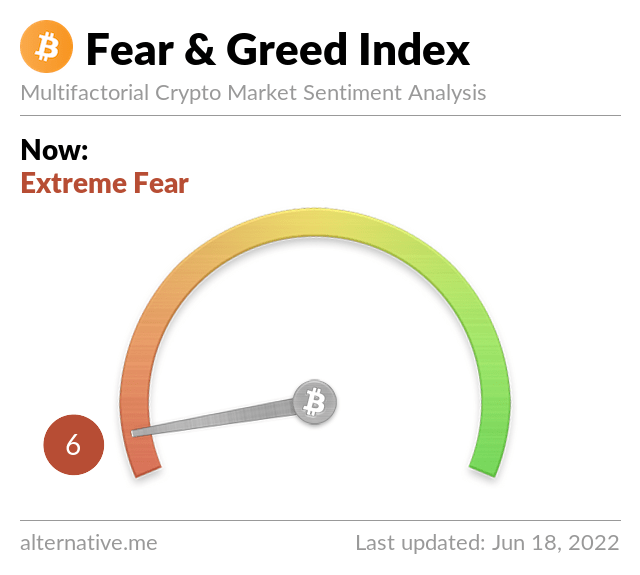
    The next bull run? Not sure the exact time that will come, but it will come when there is enough greed. If there are any handy metrics to watch, it’s the greed and fear index; not the halving or institutional investments…if that was ever a thing.

  • Next Five years in the crypto space.

    Next Five years in the crypto space.

    What are your wildest guesses for crypto and blockchain technology in the next 5 years? what will the next five years in the crypto space look like? I’ve got two ‘mild’ ones. A fully functional Cardano blockchain and a completely stable Solana blockchain. No pun intended. Cardano and Solana, are certainly up there on my list of high-throughput Layer-1 blockchains. Just in case, Vitalik and his team couldn’t get the Ethereum blockchain to work properly; Charles’ brainchild can make a perfect fix…or alternative. Well, I just made three guesses.

    There’s hardly a sector as fast-progressing as the crypto space. Twelve years since bitcoin’s historic emergence, a couple of ‘powerful’ people have taken sides on the idea of a decentralized back-end and financial platform. As powerful as Peter Schiff and Nancy Pelosi. Despite the pull sideways (not from those two anyways); cryptocurrency has progressed rapidly and dog-themed coins are worth more than the global pet market…not just pet dogs. Depending on how famous or lucky you are; you could sell your selfies for a couple of thousand dollars. Of course, the price will depend on how rare or adult-specific they are. Or how strong your hype-marketing game is. Just a heads up anyways.

    For the technology; instead of Western Union, you can simply move your funds through Ethereum blockchain. On the worst days, that might cost you as much as $70, but that’s fine, considering how many more you have in your wallet. Lazslo Hanyeczs pizza deal didn’t just trigger a $3 trillion move, it set off a period of “on-chain” technological advancement. Even though these solutions are barely used by the majority, they are still worth more than their mainstream alternatives…some, not all of them anyways.

    The past twelve years have been lots of fun, literally. The memes and their accompanying coins made sure of that. The future looks even more interesting, both ways. Not trying to make some oracular statements, but the next few years will be one to behold and are very important to the future of cryptocurrency and blockchain technology; the technology and the politics…sorry, market.

    Government influence, decentralized applications, stablecoins, graphic stores of value…you name them. The next 5 years are already being shaped by the preceding years. If Mr. Schiff and rest of the gold community fail to prove the inferiority of bitcoin or the supremacy of their precious metal; bitcoin will be on the course to cement its place as a turbo-proofed store of value. Despite being held back by the bear market currently, it’s still bullish heading into the future. The next halving is barely two years away…

    The US and UAE governments announced their plans to regulate digital assets and tasked designated arms with putting their nations at the forefront of digital asset growth. I’d say those announcements came when the bearish sentiments already kicked in; would have been enough to push bitcoin past $100, 000. Nevertheless, positive impacts from central governments will be instrumental to the growth of bitcoin and cryptocurrencies in the next 5 years. Trusting the central government to come up with positive plans for decentralized technologies is a bit double-edged anyway. This could go either way, of course. Cryptocurrency and blockchain technology have survived over a decade of rough paths with central governments, the next few years should be easier.

     next five years in the crypto space

    If Celsius hadn’t hit a rock, DeFi would have stood a chance of penetrating mainstream financial support systems. I guess they’ll have to fix their leaking roof before that. Albeit these negative events, the future still looks great for decentralized finance, Celsius inclusive. Cryptocurrency communities are evolving to truly fancy the idea of decentralization. The world outside the crypto space suffers much from centralized financial systems. DeFi, if done well, will take up this opportunity and offer a solution. A seamless and community-owned financial system.

    Luna developers failed in their attempt to build an efficient algorithmic stable coin that follows the laws of demand and supply. USDC was meant to “die in the hands” of UST. Unfortunately, that didn’t go as planned and Do Kwon will have to deal with strangers knocking on his doors and the billion-dollar fraud allegations first before putting USDC to eternal rest. That sounds easier than it really is. The failure of Terra’s UST casts a shade on the growth of algorithmic stablecoins; but before this event, this concept was growing and was on track to pose a huge challenge for stablecoins backed by air and efficient printers. Algorithmic stablecoins still have a place in the crypto space and still have good chances of being the preferred medium of value preservation in the crypto space. If not for any reason, the fact that they are backed by the same concept that powers the whole space — logic, makes them more traditional.

    NFTs might not sell for hundreds of thousands of dollars in the next five years, but they will still be a part of the space. Any celebrity selling some “rare behind the scene” pictures might have to settle for less than they charge for a feature as royalties for their NFT drops. Signatures of those arts are forever etched on the blockchain, so, they will always be there…just that they could cost (way) less.

    More on the future? Maybe a brand-new hype idea? Metaverse is already building a huge hype, the next bull run could see many Meta pumps and dumps emerge. Ethereum 2.0 will probably be finally delivered before then; interesting to imagine what could happen over the years. What’s your wild guess?

  • Ethereum will flip Bitcoin. But when?

    Ethereum will flip Bitcoin. But when?

    Ethereum bitcoin

    Every cryptocurrency investor shares the random thought of bitcoin getting ousted. The oldest cryptocurrency and blockchain has spent its whole years of existence on top of the charts. Dominating a fast-growing space and pioneering tremendous developments; the ‘future of money’ controls over 30% of the total crypto market valuation. The top list is ever-changing, a number of projects have occupied positions in the elite league. Only a few have kept this position for a reasonable duration. The competition at the top is stern, but for bitcoin; it is lonely at the top.

    Apart from the alpha cryptocurrency, only one project has spent a ‘long’ time in the elite position — Ethereum. Vitalik Buterin developed a technology that has won the heart of many. Since its debut in 2015, Ethereum has become a household name in the space. The most used and emulated project, that’s a simple description for Ethereum’s reputation amongst developers and enthusiasts. The most actively developed too.

    Thanks to brilliant technology and widespread adoption, Ethereum has claimed a position just below bitcoin. Unlike other projects that once occupied this position, it has retained it for a relatively long time and had been dubbed bitcoin’s successor. Well, dare to dream. If any current cryptocurrency project stands a chance of taking over bitcoin at the top, it’s Vitalik’s brainchild.

    Does Ethereum have what it takes to move to the absolute top? I’d say YES; technically. But then these need to happen before that…

    Ethereum’s ascension will need a little bit of bitcoin’s share of attention. Not just bitcoin maximalists, the whole space is much dependent on bitcoin and what happens around it. The old ‘reserve currency’ is currently the sole dictator of the direction of other assets in this space. It will be tough for Ethereum to climb to the top while bitcoin retains this undisputed rulership figure. The bitcoin hype needs to die, at least a little. This won’t be easy, bitcoin moving over to second place will be a bizarre sight too.

    Anyways, bitcoin’s hype isn’t the only impedance on Ethereum’s ascension. Ethereum has its own problems too. Fees, speed…you name it. Despite being the most developed blockchain to date, the smart contract chain is still unusable to many. If any cryptocurrency is going to trump bitcoin, it has to be special. Ethereum is special, no doubt; it still needs a whole new level of efficiency to move over to the number one position. A lot of developments are rumored to be coming to the chain, maybe this will be a revolution…who knows.

    Unlike bitcoin, Ethereum is built for several purposes. There’s a long list of unique things that can be built on the chain. The quality of projects built on Ethereum has a big impact on its growth. The tons of projects currently running on Ethereum are the principal reason for the price growth over the years. This growth will continue for as long as reputable projects launch on Ethereum and existing ones continue to make great progress. However, if Ethereum will ever grow past bitcoin, mainstream institutions will have to build alternatives or replacements for normal products or services on Ethereum.

    Visa recently shared plans to build a payment solution on Ethereum. This and even more are possible on Ethereum. Mainstream firms and brands can launch incredible services on Ethereum. This will boost the price greatly and ease Ethereum’s journey to the ultimate top.

    Just like Visa’s payment solutions, Central Bank Digital Currencies (CBDCs) can be launched on the Ethereum blockchain. Most cryptocurrency enthusiast frown at CBDCs, but the reality is; they are here to stay. Not just here to stay, they stand more chances of survival than most normal payment solution crypto projects. Most governments are building their own blockchains to launch CBDCs. While this is for obvious reasons, the Ethereum blockchain can easily host as many CBDCs as possible. Nations should consider taking this route, which is relatively cheaper and easier. Ethereum as a hub for CBDCs will be a huge boost for adoption and value as well.

    You surely have your preferences and you hope to see them at the top. If anyone is ever going to come too close to overthrowing bitcoin, Ethereum is first on my list. This space is unpredictable and the most reasonable scenario is bitcoin retaining its position. But anything is possible and Ethereum could go all the way. Or XRP? Well, feel free to dream!

  • DeFi for Noobs.

    DeFi for Noobs.

    decentralized finance
    Source

    If you live in the crypto space for a day, the acronym ‘DeFi’ comes your way almost twice per hour. No doubt, my statistics are right…or very close to it. The crypto space is a very dynamic environment and everything moves so fast, but you must be living under a rock if you’ve only got to hear about DeFi a few times. You’re unlikely to discover this article if you live under a rock anyways. So, the most probable case is that you’re yet to fully grasp the concept of DeFi.

    Swaps, farms, pools, and ‘connect wallet’ lol. Like a ‘plug and play’ system, connecting your wallet to a website is all you need to experience a whole world of fun …and risk. Yeah, accidents on DeFi platforms could get very popular and your first encounter might be through an exploitation report. But DeFi is way more positive than this.

    DeFi is an acronym for Decentralized Finance. Decentralized financial systems comprise applications built on top of blockchains that facilitate ‘permissionless’ financial services and provide seamless options for running financial activities. DeFi hopes to introduce the core virtues of blockchain technology to the financial system. Bitcoin introduced the concept of ‘decentralized means of payment’ which runs on a distributed ledger system, the blockchain.

    DeFi is a blockchain notion. It encompasses every attempt by blockchain and cryptocurrency projects to create a decentralized replacement or alternative to real-life financial activities.

    From Bitcoin blockchain itself and its lightning network to decentralized exchanges and financial institutions built on the blockchain; blockchain technology has dived deep into the economic sector and is making attempts to create a new and better way of handling financial activities.

    Contemporary and emerging DeFi projects are, expanding the scope of decentralized financial systems. They are shifting the paradigm from ‘portable means’ of payments to smart contract applications running independently on a parent blockchain and offering advanced financial services such as insurance, lending, wealth management, and an array of other financial management using blockchain resources and exhibiting desired blockchain features such immutability, security, privacy, speed and interoperability.

    Smart contract blockchains are hence home to DeFi projects, Ethereum particularly is housing the majority of DeFi projects. Augur, one of the earliest smart contract projects on the Ethereum blockchain and a popular DeFi project offers a decentralized alternative to advanced financial instruments such as index trackers and futures. Aave (LEND) runs on Ethereum Blockchain and provides decentralized lending and borrowing service. Binance Smart Chain (BSC) and TRON blockchain smart contract layers also facilitate DeFi and provide resources that allow DeFi projects to thrive.

    Amongst the numerous enticing features of decentralized finance projects, ‘liquidity farming’ has gained its place as the most exciting exercise in decentralized financial systems. The idea of leveraging DeFi protocols to generate annualized interest returns of up to 30% of your initial investment and a couple of other benefits will surely impress any investor. Due to this, DeFi presents enticing opportunities for cryptocurrency investors to dive into the crypto space — a major cause of the recent boom in DeFi projects.

    DeFi has benefited highly from incentivization. Flexible staking opportunities, high-interest loans on lending platforms, and high APR liquidity farm rewards…you might want to give up your agriculture career and join crypto. Well, you can do both.

    DeFi isn’t without some shortcomings anyways. DeFi space marks a huge resemblance to early crypto space. The emergence of new projects which are mostly a copy of already existing projects with just very little differences; bogus promises, pump and dumps, naive and gullible investors, shady project teams, and ‘get rich quick’ schemes. It has become a hotspot for ‘decentralized accidents’.

    Nevertheless, it is still a brilliant invention and is developed to fix these major issues. Mainstream firms are also impressed by the potential of decentralized financial systems.

  • Staking rewards and Liquidity Farming: Is DeFi ‘free money’?

    Staking rewards and Liquidity Farming: Is DeFi ‘free money’?

    Just like most other hyped blockchain concepts, DeFi has become a goldmine for many believers. Unfortunately, a tangible more has a relatively different story to tell; but that’s a topic for another day. Diving in early into deFi and exploring the vast opportunities it offers has earned this class of people, life-changing opportunities. Luckily, it is benevolent enough to benefit even newer participants as well.

    DeFi is powered by lots of brilliant algorithms, protocols, and project teams, but as usual; it is the ‘money-minting’ potential that attracts most participants. A Normal phenomenon in this space. Well, I wouldn’t blame an investor for levitating towards a platform that promises a 10x annual return on investment, hassle-free. Not just the rewards, the projects’ tokens go parabolic too.

    It takes a special conviction to ignore the high APRs on DeFi staking pools and liquidity farms. Like the early days of cryptocurrency mining scams, these rewards seem too good to be true. Actually, they are true; at least they work as stated. But these DeFi incentives aren’t really ‘free money’

    Most airdrops aren’t even free money in the right sense. Airdrops are known for the ‘free money’ tag and have maintained this reputation over the years. But the tasks associated with certain airdrops are in fact more worthwhile than the airdrop rewards. Staking and liquidity farming is, however, different in many ways.

    One is a tokenomics and marketing strategy; the other is a proper reward for a (vital) service; staking and liquidity farming have become the most accessible and arguably lucrative DeFi opportunities.

    Staking is a low-risk reward program that incentivizes token holders for locking their assets in the staking pool. Staking rewards are flexible and Annual rewards may vary depending on the platform and circumstances. Most DeFi staking programs are flexible too and stakers can unstake their assets from the pool at any point in time. Others might require locking your assets for a specified time during which these assets cannot be unlocked or can be unlocked with penalties. The DeFi staking process is simplified and is a popular choice for micro and medium investors. Most investors prefer staking over liquidity farming for some reasons…

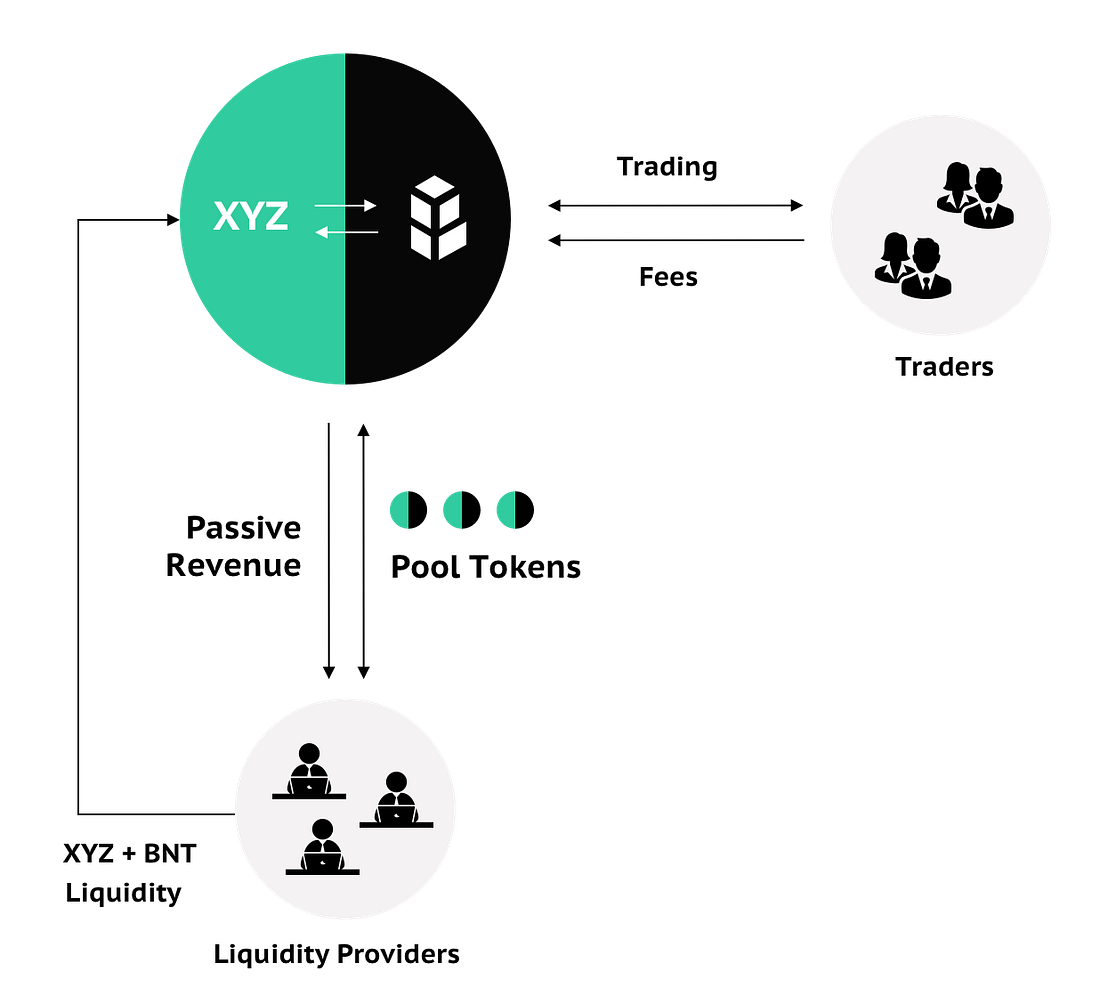
    Liquidity farming on the other hand provides investors an opportunity to earn more tokens by locking their assets in the liquidity pool. Assets locked in the pool enable seamless swapping of the locked tokens. A liquidity provider locks an equal value of a pair of tokens/coins. Other holders can swap any of the pairs in a simplified swap transaction. This is powered by Automated Market Makers.

    Liquidity providers are in fact one of the most important parties in decentralized exchanges. The role they play is irreplaceable. The reward for this role is the liquidity provider fees. Some projects go ahead to set up an extra incentivization scheme — Liquidity farming. Liquidity farm APRs are usually higher than single-side staking.

    ‘Free money’ might have different definitions by different people, but amongst these two, Single-side staking would fit into most of the definitions. Liquidity farm rewards are more of compensation for a very important service. Liquidity providers risk losing a tangible percentage of their investments to impermanent rewards depending on the volatility of the market and the assets they supplied to the liquidity pool.

    Want some free money? Well, you are better off staking your assets in a suitable single-side staking pool. Sometimes, liquidity farm rewards aren’t enough to pay for the impermanent losses incurred by variations in asset value. In contrast, staking rewards are closer to being ‘free’.