
My first memorable encounter with the web was in early 2005. For a kid in a third-world country, this is quite early. I’ll admit that I have become a sort of an addict since this time, and you wouldn’t blame me…seriously. The Internet has become pretty relevant, for an idea that was considered unpractical when it emerged, just like Bitcoin when Satoshi released their whitepaper. And just like memecoins, Google has become one the most popular products of the internet. Surprisingly, it is ‘just’ a search engine and not some quantum-based 280 IQ level application. Not to talk down on everything Google has achieved over the years, but the search engine might appear to be the most basic, I’d put the Android OS above it.
But this search engine has remained undefeated through these years…and there have been serious attempts; Bing, Yandex, Yahoo, the list is a long one. Still, the distance between Google and its biggest competitor is much wider than the distance between the second-biggest search engine and the least ranked.
This is not some scholarly article, but let’s take a brief look at the numbers;
The Numbers
If you are running a search engine firm or planning to start one, you only have about 15% of the total market share to fight for…and just 5% of the mobile traffic. Most mobile devices come with a default Google search function. Apple’s integration of Safari hasn’t changed this. Plus the most popular web browsers just use Google. The struggle is stiff for anyone walking this road. But 15% of the global market is huge, if that makes it feel any better.
Bing, the largest alternative to Google, enjoys only 7% of the US search engine market share and accounts for only 1.5% of the mobile searches. Pretty decent (the latter) if you ask me. I’ve only used Bing on desktop and can’t even use it on mobile if I wanted to.
Third place? Bing’s ally, Yahoo. 2% of the Global Market Share. Just in case you consider this ‘little’, it translates to 600 million monthly users. Pretty decent too. In my opinion.
What a ‘Google competitor’ should look like.
To be fair, every relevant Google competitor re-invents Google and tries to steal a portion of the market from it. This is just fine, but Google has grown so much in the past 25 years to be pushed aside by a firm doing the same thing. Or, I might be wrong and the only definition of a search engine is what Google has done, and this is why every other competitor seems to have accepted the trailing position, and ‘google’ is the proper diction for ‘Search’.
What a Google competitor should look like? Definitely better than Google. Better results, fact-checked information, self-updating, and time-relevant information sourcing. In addition, it should have a touch of new-age technology.
Google’s Biggest competitor? A meme connoisseur owns it
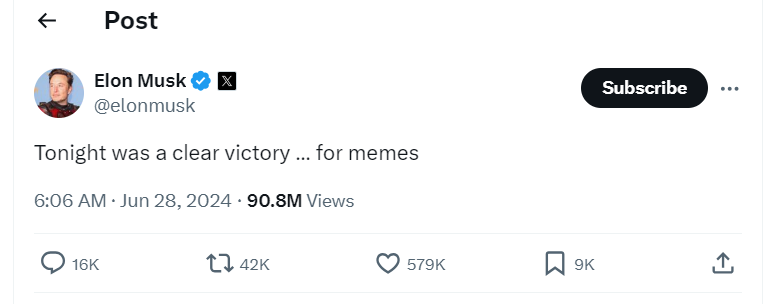
I created my first Twitter account in 2014, almost 10 years after Jack launched it. Over time, it has grown into the most popular social media application. Maybe not, but unarguably the most refined social media application. You could share your cute moments on Instagram and TikTok (probably) or spend some time with your old ones on Facebook, but once you decide to get serious, Twitter is your first destination.
I still struggle to call it “X”, not just because of the guilt that comes with that, but mainly because it’s too short. One would think I just threw in a random letter in my article. But if someone spends 44 Billion United States Dollars to purchase anything, they have the right to rename it to anything they desire. So yeah, I’ll refer to Twitter as X for the rest of this article.
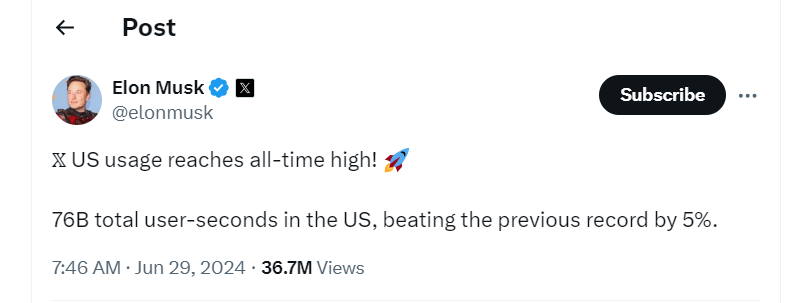
Whether or not you think the Rocket Man has done a good job with X, the platform has done nothing but grow and become the home to conspiracy theories and OnlyFans creators, but that’s if we decide to dwell on the ‘not so positive’ side of things. On the brighter side, it has become the center of internet discourse. Event updates as they happen, discussions with founders, and insights. I mean, if you wish to verify if Google and Facebook are down, you’ll have to check on X.
Even before long-form posts were introduced, X had already grown into the world’s fastest-growing library of information, run as a community, it’s like Pixabay, but for real and timely information. Just like the blogs that Google crawls, but this time, with Fact checkers in the form of comments…and community notes. A good percentage of Google search results track back to X.
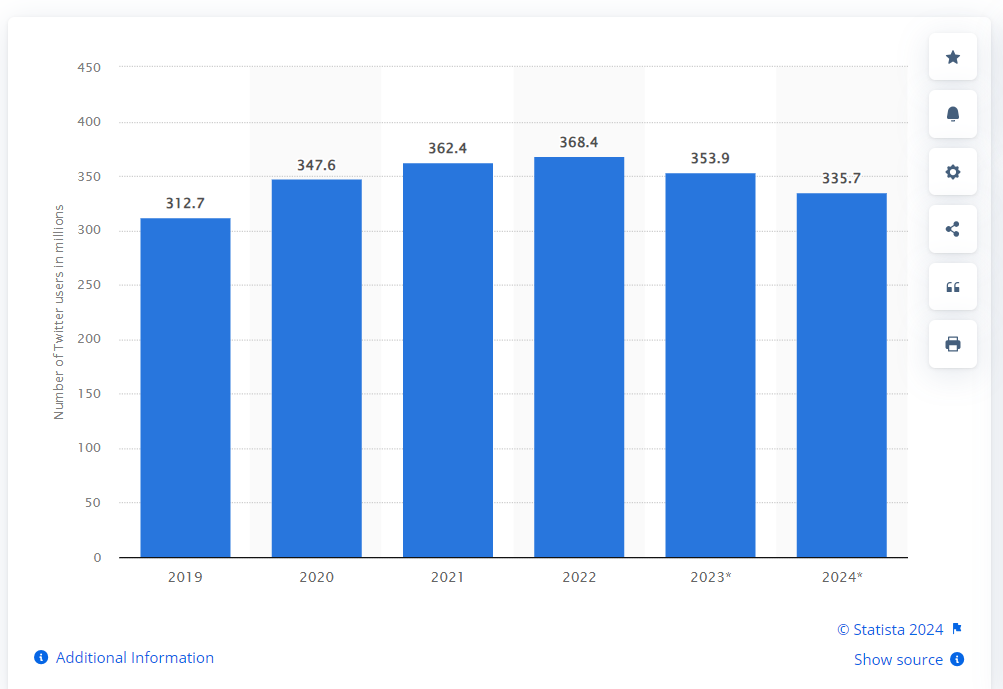
Data from Statista suggests that about 333 Million people worldwide use X in 2024. Even after adjusting this figure for slight overestimations, over 300 million people run a real-time blog on X. This includes companies, writers, scientists, and firms in this sector. The information pool on X is unarguably the largest in a single concentration. Like 4Chan and Reddit, but with a better interface and more users.
In my opinion, this is the only firm capable of giving Google a run for its money.
Is X ready to compete with Google?
Still my opinion, but yes and no. Ask if X has the resources to compete as a search engine and you’ll get a definite Yes. And if it’s currently doing so, you get a No, not definite, just a simple NO. Probably this is not the direction the firm wishes to go at this time, but whenever it does, this will be Major.
First, an advanced search interface on the platform. One that pulls information in a way similar to how Google Does it. This is not the classic reinventing the wheel, yes, close to it, I’ll admit. The big difference is the UX, the source of data, the quality of data, and the UI (depending on who designs it).
Challenging Google
If X must compete with Google, then it must actually do so. This means, moving away from Google’s coverage and getting it right where Google hasn’t done so. X appeals to the younger generation, even the older generation is catching up, and the timeline for this is rapidly changing. The ‘younger generation’ is fast becoming the older generation. Google is just about 26 years old, but this is old enough in the Internet age. Like Gen Zs looking down on the Boomers, X could be the search engine of the new generation.
Blocking Google’s crawl bots
This is completely up to the X team, a dilemma, even for me. Google controls over 90% of the market share for search engines. Being ranked on the first page is a major advantage for any firm. X currently ranks high on the first page, however, one of the ways it would attempt to take the market share from Google is by Moving away from it. Blocking the Crawl bots from Google and other search engines from accessing information from the platform. There could certainly be better ways to implement this and reduce the disadvantages for X. But something like this needs to be done and X marketed as a search engine and not just as a social media application…which it is.
Computing search requests
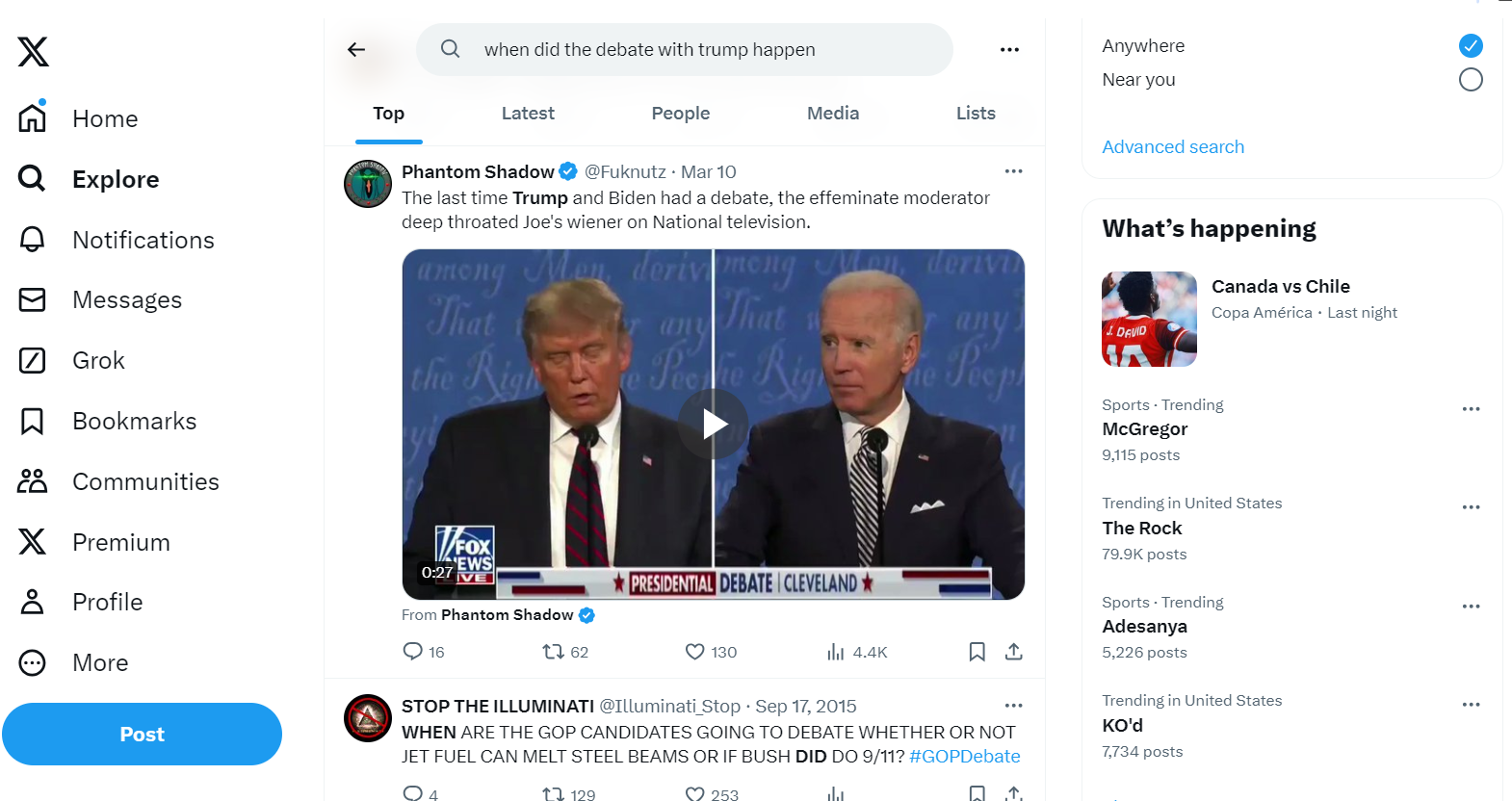
Google matches searches using keywords and related sources. X does something similar, but not like a proper search engine. For instance, here’s the result of a classic Google Search
On X
On Google
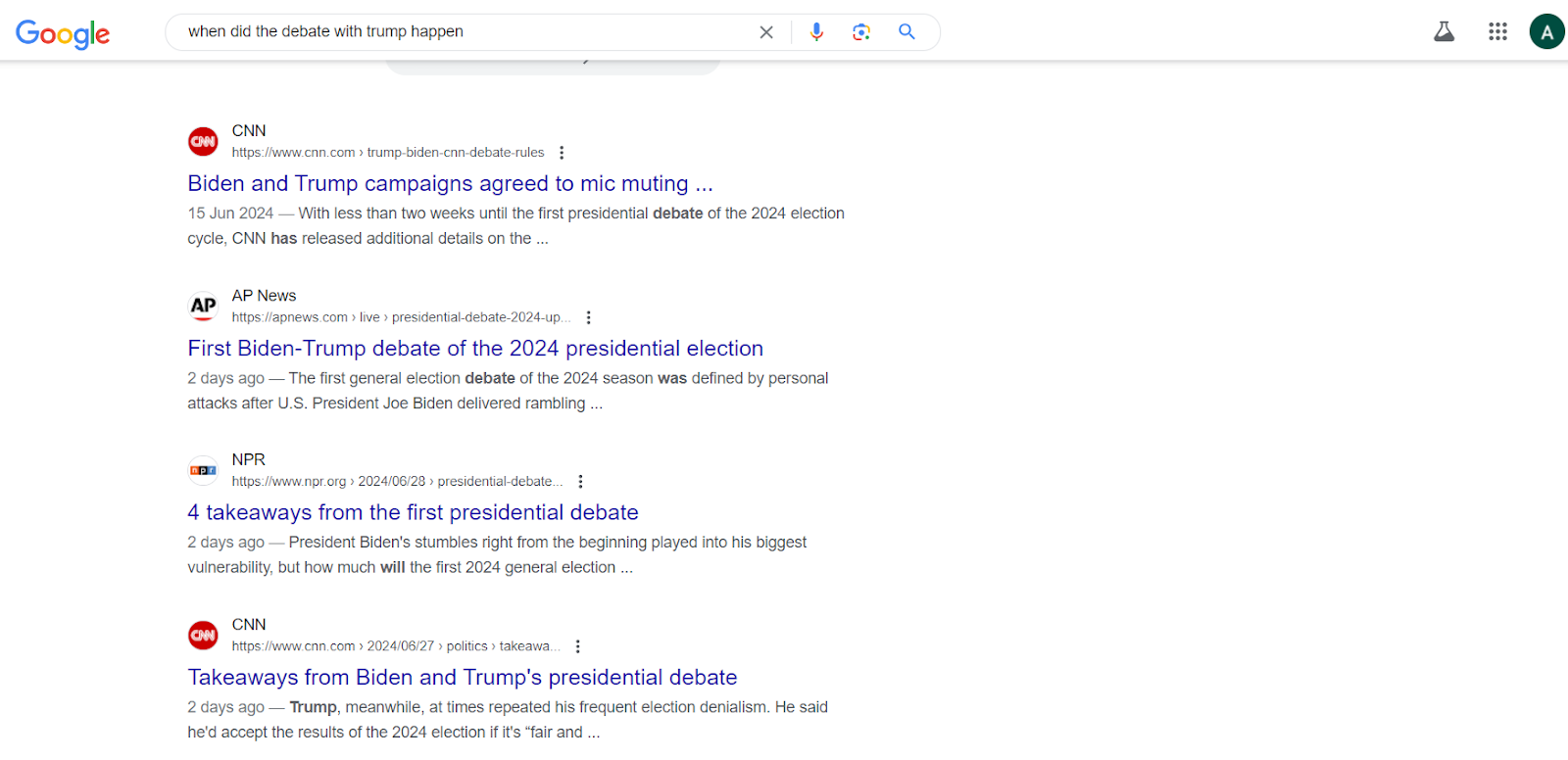
While a significant percentage of the information on these Google searches is based on posts on X, X is currently unable to sieve them in the way Google does. Therefore, internet users prefer to simply search on Google and follow the sources in the articles back to X, where they get the majority of information.
As a writer who researches extensively, I’ve realized that X is increasingly becoming my End destination after running through blogs found by Google search. One advantage X offers is the ability to easily follow these sources for further updates on the topic/discussion, a major UX advantage in my opinion. The validity of information and easy access to the original source is a high-impact blow for Google and any other search engines. X can use these to its advantage if it wishes to add a search engine to its many use cases.
Conclusion
Elon Musk’s $44 Billion purchase of X is only considered extravagant if you fail to review what can be achieved. X is unarguably the best social media platform ever made. Attempts at creating something similar have failed. Threads, Truth Social, Blue Sky, and some decentralized social media platforms that look similar. The list is growing. Each of these has failed to scratch the surface. Because developing a good-looking interface won’t buy you users. X already has an unbeatable user base who are reluctant to move to any other platform and a library that is 17 years old. Beating this is a Herculean task and a Sisyphean task for many who have tried. Not saying beating X is impossible, this is not the idea. This idea is, that beating Google is possible and X is my best bet. Not Bing.