NFTs are one of the seven wonders of crypto, the list will surely change and get even longer in the future, but NFTs have had a hell of a time in the space. From a high-tech concept with huge potential to a meme-like multimedia idea and again to an entity of high financial significance. NFTs reportedly moved over $24 billion in cumulative volume in 2021. This figure has since due to the raging bear market and a lowering interest in NFTs, but NFTs are still very significant.
A handful of arbitrage protocols have seen huge success in trading cryptocurrencies across centralized and decentralized exchanges. However, these projects are only focused on fungible tokens which make up a majority of cryptocurrency investors’ portfolios. But NFTs are fast becoming popular and coveted assets.
Proposed theories for an NFT arbitrage system will certainly involve the synergy of protocols that surf through NFT marketplaces to garner data on the trading conditions of recognized NFTs from different collections and compare these data to evaluate the difference in floor prices collections and selling prices on individual NFTs across selected market places and trade accordingly to take full advantage of the deviations to return maximum profits for each successful trade.
Noted challenges to the NFT arbitrage scheme are the illiquidity of NFTs and loss of profits to MEV (Miner Extractable Value). NFTs are illiquid in the sense that they are first listed and stay waiting for an eventual buyer, NFTs could spend hours to days on the marketplace before a buyer comes around.
MEV is an issue that plagues cryptocurrency as a whole. Additional charges on every transaction build up into tangible expenses, enough to get rid of every profit made in trades, especially for routine traders on decentralized exchanges. Thanks to MEV, an NFT arbitrage system could see a good percentage of its profits eaten away by extra charges or even fall back into losses even after successfully arbitraging an NFT.
NFT arbitrage protocols could tackle this using a pool. By creating a pool for NFTs. This pool will present an instant demand for the NFT and ensures that they can be sold immediately. Only NFTs demanded in the pool will be considered for arbitrage opportunities.
The arbitrage system will basically compare prevailing prices for NFTs in its pool and the price of the same NFTs on other marketplaces. The arbitrage system will proceed to purchase NFTs where they trade for cheaper prices and trade it on the on-demand pool, making a profit. This is recurring and continues until the trades are no more profitable.
Note that there are currently no known NFT arbitrage projects and this content is only a theory of how a system like this could work. Taking into consideration, the basics of NFTs and available technologies, this might be a ground-breaker for NFT investors.
A couple of disclaimers on cryptocurrency investment advice and endless warnings, ‘cryptocurrency investments are very risky ventures…and the earth is flat’. Well, one is a fact; the other is probably another way to look at facts. A little focus will tell you which is which…just a little teaser there, but that’s by the way.
Alright, fact is, the earth is a sphere, and cryptocurrency investments are very risky, but that’s just another way to look at facts. Risks and rewards are related, sometimes this relationship could get toxic. The crypto space has been buzzing for a while now, anyone who took the risk before this time must have reaped from that audacious move. Recent strives by cryptocurrency and blockchain technology have once again flared the hunger to invest in decentralized solutions, but many are still scared to join the bandwagon
It’s human to get scared, but it’s mastery to stay in complete control of these fears and ride against the waves. While some investors are hardly overpowered by their fears, others would need tons of advice to make a choice.
But that’s by the way; Cryptocurrency just like most other investments is a very risky venture, there’s unarguably a more pronounced risk when it comes to cryptocurrency. The outrageous fluctuations and nerve-spinning volatility give it a good place amongst ‘a thousand ways to die in the west’…that wasn’t meant to scare you! For experienced investors and risk-loving individuals (like myself!), volatility is a very tasty stuff, but sometimes it might burn hands.
Before you bought your first stock, you probably made a couple of research and calculations, a very good number of investors do clever research before putting their money on the road; a very important step in investments. Venturing into the crypto space, the scenario is almost the same. But in general, blockchain technology that powers cryptocurrencies glitters with many enticing features which are just too good to be ignored. ‘All that glitters are not gold’, yeah, I’m sure you said that to yourself at some point, but if gold glitters, then you’re closer to hitting gold if the glitters get more enticing.
For a technology, blockchains are one of the most interesting inventions of the past couple of decades, the ability it poses and its numerous applications are certainly one to look out for. Cryptocurrencies aside, blockchains are one of the most advanced computing protocols which are unsurprisingly gaining mainstream attention. An immutable store of data, a flexible network for building almost anything on the internet, the list is endless. Venturing into the crypto space is as good as swimming in the oceans of blockchain technology, getting used to what has been a tangible offset of traditional ways of data storage, internet, finance…to mention a few. Regardless of the risks, these features should make you give it a try.
The Future.
A very quick follow-up to the aforementioned point. The features of blockchain technology are currently under-utilized and for any attentive investors, this technology is just starting to gain global recognition, and the only way is ‘up’! the future of cryptocurrencies and blockchain technology may be speculative, but that’s a common step for inventions poised to change the way things are done globally, taking a look at the bigger picture, cryptocurrencies, and blockchain are one for the future, the limits are beyond reach, better said, there are no limits and impossibilities are just weak words thrown around by people who find it hard to chase dreams. This is the same for cryptocurrencies and blockchain technology.
Cryptocurrency investments are risky, but it is even riskier not to take a close look at the future and your biggest regret might be not securing a part of the future. Stocks will still be a part of the future, same as digitized precious metals and fiat currencies, but cryptocurrencies are poised to be the newcomers and might be an important part of the future. Shaun the risk, secure a place in the future, try making your way into the crypto space.
The Fortune.
I seriously resent the idea of cryptocurrency investments as a “get rich-quick scheme”. But it is hard to ignore the fact that cryptocurrency investments make mouth-watering returns. For investments in the last decades, cryptocurrencies have made the biggest return on investments, posting up to 20X gains. The ‘fast money’ idea is surely an unhealthy one and an investor who really wishes to be successful in the crypto space must first get rid of this orientation and embrace the technology and avoid being over-expectant of their crypto bags. Regardless, there is an already proven fortune in cryptocurrency investment, but just like every good thing, this takes a lot of time and requires some good level of patience and persistence.
Your Tesla stock might have made you some good gains over the past five years, but most cryptocurrencies have made way more during this same period of time, this is unarguable. With more risks come even more rewards, dive into the ocean, take the risks, give it some time, reap the fortunes.
The Freedom
Stocks are great, digital gold are good investments too, but what about an investment that gives you total control over what you own? Decentralization in cryptocurrency gets rid of third parties and middlemen in handling some core financial activities such as blockchain-level send and receive. The freedom of being able to send a store of value across to anyone anywhere and not worry about exchange rates and delays due to the banks not processing payment, or even decline of payment because of some blurry reasons is something you should really pay some attention to.
Cryptocurrencies come with some enticing level of freedom and privacy in the management of your finance and performance of some core financial activities. Probably this doesn’t sound so clear to you, but here in the crypto space ‘you are your own bank’, guess that sounds better! You don’t need a stockbroker to help you invest in cryptocurrencies, the simplicity makes it possible for a total noob to invest in cryptocurrency and manage this investment. Decentralization in cryptocurrency cuts off the middleman in most core management procedures.
Still need to be convinced, you certainly have your reservations, but if anything can change your opinion, it’s one of these four…
Three big cryptocurrency exchanges pumped literal millions into the super bowl to have their commercials aired during the prestigious event’s commercial breaks. Not so big when you consider the fact that two of these exchanges are buying up the naming rights for prestigious American sports centers. Tezos have partnered with the famous English premier league club — Manchester united; at least we are finally seeing that big ICO money come to life.
With arguably the greatest soccer player ever wearing those training kits with ‘Tezos’ written boldly on them and Lebron James getting buckets at the crypto.com arena, one thing comes to mind; “crypto is taking over the world”. From a small group of nerds working on ‘the future of money’ to millions of people holding cryptocurrencies…for mainly an odd reason, cryptocurrency and blockchain have walked a long path in just twelve (12) years.
Twelve years of struggle for relevance; like a stubborn attention seeker, cryptocurrency has snuck its head in every nuke and cranny. From social media to billboards and television commercials; cryptocurrency marketing strategies are almost as brilliant as the technology itself.
But there is one big lie along the line…
Cryptocurrencies’ are presented as a portable and more convenient means of exchanging value. The biggest perks over traditional alternatives are decentralization and privacy. Speed and transaction cost used to be on the list; not sure if they can be boldly enumerated anymore. It costs over $4 to move Ethereum and about three times more to move smart contract tokens, bitcoin transactions would require similar fees too…
Despite these issues, cryptocurrency’s popularity has been on the climb and isn’t slowing down anytime soon. Bitcoin particularly has seen huge political breakthroughs and has become one of the hottest economic and political topics in the past five years. This relevance isn’t really due to some technological advantages it possesses but mainly due to its tokenomics and mode of operation.
Bitcoin’s distinction over fiat as a store of value is its limited supply. Governments are however reluctant to acknowledge it as a legal tender due to presumed support for illegal financial activities, supply algorithms…and carbon footprint. These reasons are valid, the back and forth on legalization and ban continues. You could anger the Chinese president by simply screaming ‘bitcoin!’.
Bitcoin fits best as a store of value and a payment solution, even though it is currently not very efficient in the latter. Other cryptocurrencies and blockchain projects attempt to solve numerous other problems. Artificial intelligence, oracle solutions, decentralized internet, comedy (yes, comedy!); a number of altcoin projects fit into these categories and more as they attempt to solve more real-world problems and possibly replace existing options. Each of them has earned themselves tons of believers and investors…but again for an odd reason.
When news? “Huge or not”? Investors couldn’t care less about the relevance of any of these projects. Major updates, and (huge) partnerships; regardless of the relevance of these to the actual development of the project, investors fly in with different emotions. Buy the rumor, sell the news; you’ve surely heard that too many times in this space.
If you’re truly here “for the technology”, then you are actually one out of a very scarce few. For a space filled with thousands of very volatile assets and clever marketing strategies, speculators are sure to flock in and tap from the fast-flowing streams.
Getting rich quick is actually the most appealing ability of cryptocurrency.
These adoptions are rarely for the technological advantage cryptocurrencies have over fiat. Even El Salvador has competent plans to redeem their crypto profits in fiat and channel these profits to national development. It’s safe to say that the central American nation didn’t adopt bitcoin because it is a better option to fiat but because in contrast, it is in constant growth in value. This is the same with other institutions adopting blockchain products.
Mainstream celebrities jumping into the NFT trend rarely understand how the technology works and what NFTs really are. Simple process; mint the arts, sell to speculators, and take the loot…in stable coins or actual dollars, lol. How the blockchain actually works and why it is a better option? You can save those long lessons for anyone who cares!
Cryptocurrency adoption comes down to a need for inclusion and the need to be a part of an enriching ecosystem. Very different from the reason presented in our thoughts.
The big lie is, cryptocurrencies are not adopted for technological advantages, and neither is blockchain technology. NFTs are shiny and popular brands are seeing them as a major avenue to improve their financial conditions. Celebrities dishing out NFTs and chasing out in stablecoins and dollars is the most crypto thing you’d ever see.
Companies too are finding ways to include a two trillion dollar opportunity into their purchasing option. The inclusion of crypto payment options into commercial platforms comes as a result of this. Firms looking to expand their purchasing power include the crypto payment as a good marketing strategy. It will be interesting to see the percentage of these merchants that keep a majority of the cryptocurrency they realize in their reserves.
Cryptocurrency is reaching out to people, and speculators. Investors are more dedicated participants. A majority of people putting their money on cryptocurrencies are speculators who envision short-term gains and are keen to leverage the enrichment possibilities of the most volatile assets ever.
Shill me the next altcoin to go 10X! worry less about what they are actually building. It is the normal sequence. Institutional and individual adopters are mainly speculators who consider the technological superiority of cryptocurrency and blockchain. The big lie? It continues.
You think the metaverse is like a ‘new world’? you might not be wrong anyways. You’d wonder why Elon Musk isn’t exploring the space as he does with Mars and these other planets…just like you, I wonder too. The rocket man spends a lot of resources surfing the next destination for humans but seems to ignore the closest planet to earth — the Metaverse.
Coined by Neal Stephenson in his 1992 novel, “Snow Crash,” and popularized by cryptocurrency and blockchain projects; the metaverse is an attempt to (re)create a world outside our world that exists in our world. That must have been tough to read. Well, it’s probably the most straightforward description of the metaverse.
Using a combination of virtual reality and decentralized digital art technologies, tech companies and startups are working to create a world where we exist in simulation and perform certain interactive activities. The only difference is, we are not doing this in ‘real’. Remember those games where you’ll have to select an avatar that represents you? this is something similar but once again it’s not just a game.
In the metaverse, you exist in form of your avatar; probably an NFT, operate in a virtual world, and interact with other avatars controlled by real humans. You’ll be able to attend (virtual) meetings, games, probably concerts, and as well make purchases on the metaverse. If you own land, you can as well build. It is a collaborative effort to create a world outside ours and hopefully reduce real human-to-human interaction…now I added that myself.
With pollution and corruption taking over our world, I guess it’s time to try and exist somewhere else. Somewhere not too far. If you haven’t bought land in decentraland, then you are missing out on the biggest real estate opportunity. Jeff Greene needs to do something real quick.
Anyways, who even cares? You’re probably more concerned about the next metaverse-themed project to do a 100x than you are concerned about what the metaverse really is. I wouldn’t blame you! To be fair, with so much abstraction surrounding the concept at this point, only the hype can be utilized. When it comes to utilizing hypes, the crypto space leads. Projects with ‘meta’ tags and little or no tangible products have been recording multiple gains since the concept took its first leap in the last quarter of 2021.
From the crypto point of view, it looks like just another bubble that will soon settle down; but outside this space, it is a more serious topic for big tech companies who are throwing weights around the concept as the struggle for who delivers best for this sector continues to toughen.
Facebook has re-branded to Meta in an attempt to reflect its latest and biggest diversification. Just like its social media platforms, Meta will leverage virtual reality and NFT technologies to bring people together; this time in a different and rather bizarre way. Sequel to this re-brand and even before it, they have invested so many resources in what they believe will be the next big thing in human existence. Well, they are not alone in this belief…
Microsoft recently acquired American video game company; Activision Blizzard for over 68 billion dollars, citing plans to dive into the metaverse concept. The new acquisition with form a vital part of the company’s efforts to diversify into the ravaging concept. Over the years, other tech giants including Sony, Apple, and search engine platform; Google have continued to work on technologies related to the new (virtual) world.
Outside your ‘pump and dump’ metaverse cryptocurrency world exists a real effort to use technology to transform the world. But is it really worth the effort?
Is Metaverse the end game?
In a time where the need to avoid group activities is being stressed, an avenue to interact in an alternative form as real as possible comes in handy. Working from home has never seemed more professional. The pandemic has steered our attention to an odd way of living — alone. Confined, separated, and existing in privacy; these odd ways of life are becoming the new norm. If we learned anything from the pandemic, it is that humans can survive without being in direct contact, probably.
At the peak of the pandemic, other forms of human communication saw a steep rise in use. Social media platforms and video call services dominated other means of human communication as people were forced to work and communicate from home. Social media platform — Clubhouse grew from obscurity to full-blown popularity and multi-million dollar investments from big tech companies. Metaverse technology would have come in handy in situations like this.
This probably intensified the effort to develop this technology as humans are actually adapting to this way of life. For probably the first time in human history, ‘staying away’ from public activities is medically justified, generally. Companies whose staff comfortably worked from home are exploring this option as an alternative to reporting to the office and working in a group.
Maybe there’s no need for offices? Well, funny, but some people and firms are really considering going completely virtual. If they are completely or even partly successful in doing this, then a Meta world might be looming…the end game.
When the lockdown rules in most countries were reduced and proper social life began to return to normal, there was a resulting sharp decline in the rate at which most social platforms were used. Despite generating millions of dollars for development, Clubhouse again went into relative obscurity. While clubhouse didn’t fail at its technology, the nosedive in the frequency of use was purely due to humans returning to normal life. This event hints at the superiority of the original way of life. People quickly dumped their pandemic-influenced lifestyle.
The metaverse could suffer a similar fate and even with impressive technology, it might only form a minor part of human communication instead of the level of influence we are currently expecting. This however is a speculative opinion.
Your reluctance to join the non-fungible token (NFT) trend is a result of any of these two instances; either you’re a maximalist of a non-nft project (probably bitcoin) or you’re discouraged by certain ‘not so good’ aspects of digital signatures.
Previously I questioned the value system in the NFT space, but that’s just one out of the whole bunch. The current scope of NFTs is limited to just multimedia vending; a very narrow use of NFTs, in my opinion. Apart from buying and selling digital art; NFT’s utility extends miles beyond the exchange of multimedia ownership. Maybe when the wave settles, these other use cases will come to life.
Just like every new idea, critics have presented these shortcomings of NFT technology in their arguments. But while these criticisms are valid, they don’t totally dampen the brilliance of NFT technology.
Alright, here are some of the most popular arguments against NFTs.
“Right-click and save”
If you ever tried to read more about NFTs, then the higher probability is that you’ve come across this phrase. Right-click and save!…easily the biggest argument against NFTs. Your NFT art can be easily saved and used by anyone. Just like a royalty-free picture on art vending sites, this argument is by far the scariest turnoff of NFTs. A fact any NFT investor should consider and understand before throwing a dime on digital arts. But just like I said earlier, even though this is a fact NFT art collectors need to worry about, it doesn’t bite down on NFTs’ brilliance. Saving a picture doesn’t make you an owner…in essence.
But do you even ‘own’ the multimedia attached to your NFT? Well, let’s get to that later.
Transaction fees
The part where blockchains claim to be a ‘cheaper’ option to mainstream alternatives should be wiped and rewritten with vague letters. Certain blockchains are multiple times more expensive than using custodial financial institutions; I’ll leave you to name these blockchains.
NFT transactions are one of the most complicated smart contract operations currently. Minting, selling, and buying; each of these transactions involve a number of protocols working together. This generates so many charges that depending on the blockchain, it could easily scare off investors and creators. A number of blockchains charge cheaper fees for NFT transactions, but unfortunately, they are less popular than the costlier ones and might mean lesser exposure for the creator and smaller options for the buyer.
Valuation
You just saw an art you love on an NFT marketplace, but you had to let it go. You couldn’t afford it. If pixelated art with negligible attributes could cost a few numbers of Ether, you can only wonder what real art and photographs would cost. Well, most times they cost way lower than this pixelated art. I might be oblivious to the process of creating these arts but the valuation system in NFT is questionable.
Tron’s Justin Sun has a history of extravagant spending, but top on his list is the millions of dollars he spent buying an NFT art. I’m clearly not a big fan of his; this is another reason to understand this stance. Certain NFT arts are way overpriced. If you ever tried to justify these prices, you will end up understanding the poor value system. A hype or a boom? I think a combination of these two words best explains the current state of things in the NFT space.
Liquidity?
You just bought an NFT for a certain price; you might have to worry about selling it. Unlike cryptocurrencies where an active market exists, NFT owners will have to go through the process of finding a buyer for their art. Just like the Barter trading system, the liquidity system for the NFT system is a burden for both creators and buyers.
Ownership
An art creator sold his art for a few hundred thousand dollars and went ahead to make this same art free of copyright issues. It raises a huge question for art collectors: Do you really own the art attached to your NFT? I probably need some extra answers and arguments. Personal research couldn’t provide enough clarity on this. If everyone can use the same property you paid a lot for without any form of permission or royalty, are you really even the owner of this property? Something art collectors should really consider before buying any art. The sellers’ integrity should be considered first.
For art with several mints, the ownership rights are presumably distributed between all the buyers. In a case like this, every buyer reserves the rights to the ownership of this art, the question comes up again; Do you really own the art attached to your NFT?
Rarity
How rare is your art? Very rare right? Not sure if you can freely say the same if this particular art can be minted again and resold by the owners; or scammers. I’ve come across a number of instances where this has happened and the question gets even more important. Is it really ‘rare’ or is the statement just for aesthetics? Not sure what the perfect and factual answer to this could be. Another huge turn-off for non-fungible tokens.
Scams and hacks
If you still have your bored apes, then you are one of the lucky ones. A good number of people don’t have theirs anymore. Nope, they didn’t sell it; they lost it. If you’ve been following NFTs, you might come across this hazard a few times. Just like your cryptocurrencies, your NFTs aren’t safe. But here, securing your NFTs is way harder.
I admit it, NFTs are cool, but these turnoffs are huge points to consider before dipping your toes into the non-fungible waters. As a creator or collector, these issues span across every party involved in NFT.
Every cryptocurrency enthusiast holds bitcoin in high esteem. The market placed Ethereum just below it, can’t say the same for a majority of cryptocurrency investors. Despite occupying the second position, a wide gap exists between Bitcoin and Ethereum, in terms of market capitalization. Not considering ‘First to market privilege’, bitcoin’s prestige and the portion of the market it controls are quite justifiable. Revolutionary technology, a devoted community, and a long list of ‘copies. Furnishing the whole space, it has created a major ecosystem and every other cryptocurrency project benefit from its relevance; Speaking of which spreads across disciplines and school of thought. Politics, finance, governance, mathematics…the list is continuous.
Bitcoin’s breakthrough set off a spiral; exact copies and slightly modified copies of bitcoin’s code and functionality soon emerged. Just like the recent DeFi boom, these copies were simply bitcoin with a different name and tokenomics (probably). The term “Altcoin” was invented to accord these alternatives a more generalized name. A proper name in my opinion. An even funnier name — Shitcoin was invented by a growing community of bitcoin maximalists as a better definition of these bitcoin offspring. This group still exists and believes in the nothingness of every other cryptocurrency/blockchain project; a notion I disagree with but wouldn’t combat. Well; if we are being fair, the majority of altcoins fit perfectly into the ‘shitcoin’ description.
If you tried paying the least attention to Ethereum, the above story is familiar. Tons of ‘killers’; copying Ethereum exact code (almost) and running different consensus algorithms. These alternative projects have survived mainly off the fact that they offer a faster and cheaper platform than Ethereum’s Layer-1. Ethereum has resisted these competitions to remain the most used and ‘copied’ blockchain project. Apart from enjoying the ‘first to market’ benefits, Ethereum’s resistance to these competitions is majorly thanks to its brilliance, originality, the fact that it houses the most reputable projects pronounced instability of alternative projects; and thanks to a strong maximalist community.
“Originator of many things”, countless ‘copies’ and a strong maximalist community; these terms are peculiar to bitcoin and Ethereum…only. Both are in a league of their own; bitcoin controls a market capitalization of almost double Ethereum’s, but in terms of technological relevance, it is a close duel. Ethereum’s technological advancement is a level above bitcoin’s. OG bitcoiners would disagree, but even the recent tap root upgrade adopts some of Ethereum’s technology.
An alternative should share tangible similarities to the originator and improve on its core technology. This is the case with the numerous forks and copies of bitcoin. Pretty much ‘re-invented wheels’. This is the same with the uncountable Ethereum copies as well. Ethereum itself is a huge improvement and many steps away from bitcoin’s P2P technology.
Apart from recreating bitcoin’s decentralized value exchange system; Ethereum built a proper platform on the blockchain. A versatile platform of limitless potential. Smart contract and Decentralized application technology are novel and brainchild of Vitalik Buterin and his team of founders. Several projects have emerged separately to improve on this; basically working on improvements to the functionality and not the core technology itself. Even more, projects have been built directly on the Ethereum blockchain. Ethereum boasts the largest and most diverse blockchain ecosystem.
A personal opinion but bitcoin and Ethereum are the two most prestigious blockchain projects. Bitcoin has championed the political and economic revolution, a major factor keeping it afloat. Ethereum represents the biggest advancement in blockchain technology in terms of proper technology. Bitcoin maximalists frown at calling the orange coin ‘a cryptocurrency’; but placing Ethereum in the rank of an altcoin is an even bigger sin. Bitcoiners disagree; a big delusion.
“Bull run comes around once in four years or just after a bitcoin halving”; I have my calendar set to July 2024; but just like my early morning alarms, I’m likely to miss it. Apart from the halving, the 2021 bull run was thought to be triggered by institutional adoption of bitcoin and cryptocurrency…at least that’s what they said. That’s not wrong anyways; Elon Musk dipped some of his Tesla money into bitcoin and spent most hours of his early 2021 days shouting “to the moon”. He’s deep in losses if he still holds on to those bitcoins. I hope DogeCoin is still very much around when his son grows up. He has a huge stash of some Dog coins to inherit…I heard. Not just the rocket man, even Tim cook applauded bitcoin at some point. If there’s anything like ‘Tech leaders’; these two guys should be somewhere up the list with Satoshi Nakamoto and Vitalik Buterin…of course. A worthy mention; Charles Hoskinson; you disagree…I know.
On speculations of institutional adoption of cryptocurrency and blockchain technology, a handful of enterprise-level cryptocurrency projects grew to sky-levels in just six months… or less. Social media did its bit, the hype was many levels above the propaganda. DeFi, GameFi, (and ‘MemeFi’) were the rave. Mark Zuckerberg was destined to have a huge influence on the crypto space. Despite failing with his ambitious Diem project, his Metaverse ambitions have been championed by pump-and-dump cryptocurrency projects. Elon Musk pioneered dog-themed shitcoins; Mark introduced a popular prefix for the next generation of Hype projects. Hats off to Elon though; billion-dollar projects came to life thanks to Dog tags.
For a bull run that was “catalyzed’ by institutional adoption”, even the most innovative cryptocurrencies struggled to make the top search lists in some of the world’s most technologically advanced nations. Bitcoin’s record-setting $67,500 price was just about 3 times its previous record. $100,000 was meant to be a deserved price. That didn’t happen, not when the ‘OGs’ were busy throwing their money on some moon and ‘inu’ tokens and the newbies were struggling to survive the rampant rug pulls. Clean, rinse, repeat; even Hwang Dong-hyuk ‘s Squid game birthed some notable cryptocurrency projects. You can find them languishing in almost zero trading volume while their creators make a living off those funds pulled off the rug.
Simply put, the previous bull run was triggered by Greed. No, not ‘institutional investors’. Elon Musk and Jack Dorsey have always been pro-bitcoin and never hid their appreciation for the technology. Micheal Saylor has always channeled that MicroStrategy money into the orange coin and JP Morgan didn’t start talking about cryptocurrencies two years ago. The halving cycle and the institutional investors’ propaganda only triggered human greed which subsequently caused a hurricane of ‘dumb money’ thrown at everything that runs on a blockchain.
Once it runs on a blockchain, then it’s the future. It was that simple, yet funny. Even the blue-chip projects had huge loopholes in their technology and management. But it’s hard to care one bit when you have a moon flight to catch. DogeCoin raced to $0.7 per coin despite over 130 billion coins in circulation. This wasn’t because it “had a better economy than bitcoin” but because this exact statement was made by the richest man on earth and a lifelong fan of the fun token. Calling the tenth biggest cryptocurrency a ‘fun token’ feels odd anyways.
Like a beast unleashed, the whole space ran haywire. Frequent rug pulls couldn’t quench the raging greed from a horde of investors. When one 1000X project crashes, another is born. It only takes one popular influencer or music star and the gains start to roll in.
An almost exact scenario as the 2017 bull run. We thought that won’t repeat itself; it did…even worse. Taking a look at the 2017 raves that were short-lived, 2017 investors had way less greed. Investors were supposed to be more informed with time; turns out this wasn’t the case. The crypto space is a field of emotions; greed being the principal emotion. The ‘Bigger fool’ theory works here; no doubt.
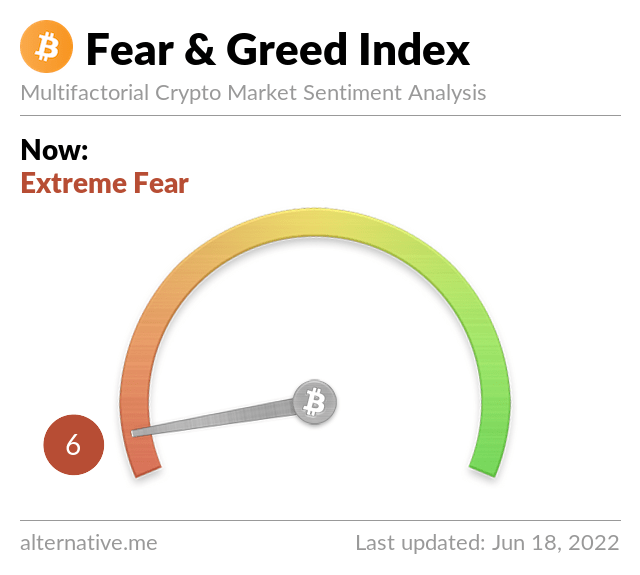
The next bull run? Not sure the exact time that will come, but it will come when there is enough greed. If there are any handy metrics to watch, it’s the greed and fear index; not the halving or institutional investments…if that was ever a thing.
Like a merchant, you’ve repeatedly bought and sold a number of cryptocurrencies. It’s fascinating, digital assets have created a space of equal access to objects of financial improvement. Regardless of your social caste and financial hierarchy, there is only a little barrier between you and your next cryptocurrency purchase…or sale. Millions have trooped in and in only a decade, the number of cryptocurrency investors has grown as fast as bitcoin’s price. In the right sense, it’s a bit faster.
Buzzwords apart, cryptocurrency and blockchain are both impressive stuff. The solutions and how everything is structured are welcoming. Well, crypto Twitter can be toxic but isn’t it the same with social media as a whole?
You’ve been fortunate enough and your net cryptocurrency investment has been greatly profitable for you. Congratulations, if there’s anything the past month has thought us, it’s that making profits in crypto isn’t as easy as it seems.
As long as you make profits, the conviction is that you’re doing it right. That’s exactly how it looks. If it’s the other way around; you feel you’re not getting it right, in short term. Investors who have mastered the art of ‘flipping’ can relate to swinging profits for profits…sometimes. But if you can relate to any of these, then you are doing crypto wrongly. Regardless if you’re in profits or not.
Doing any of these is in fact the wrong way:
Fear of missing out [FOMO]
So, you just heard that this project is about to announce a ‘huge’ partnership; maybe they already did. Price is going haywire and the Twitter thread is going in the same direction. You’re scared, scared to miss out on the next 1000x. you’re not alone, we are all in this together.
The most ridiculous cryptocurrency price rages are fueled by investors jumping in with little or no resistance. The DYOR rule is quickly forgotten and the dumb money keeps flowing in. sometimes this works. Other times, the dumb money becomes exit liquidity for earlier investors, and bag holders are made. Well; someone needs to take the shot, “scared money makes no money” anyways.
Buy high, sell low.
Alright, you just aped in. the Fear of missing out won. Now you’re sitting on a bag of a token whose price keeps dropping. Sometimes the price is only stagnant and it’s easy to get impatient when those long green candles aren’t coming. What’s the move? Time to move on? I guess so; unto the next ‘gem’. This move is common and sometimes could save your investment, other times…well, the bloodbath continues.
Cryptocurrency investments require well-thought patience and deliberation. Good research should also influence your decision to move on and test different water.
Fear of getting stuck [FOGS]
Pretty much like the above; you simply don’t want to be the last holder of this token. The charts aren’t looking great and most importantly, the community isn’t looking impressed anymore. The most anticipated move is more dumps. Price is already down, you’re probably in loss or reduced profits. Without due research, holding on to your bags doesn’t feel like the right thing to do. Cryptocurrency is ‘cruel’ and getting stuck is a very possible situation. Oh well, if your fears win, you take the dump otherwise, bagholding will continue. Whichever one, you’re probably not wrong.
Living on delusions
For some memecoins, a $50 purchase gets you millions or even billions of tokens. For some investors, this is a sure bet to the millions. If the token ever hits a dollar, you’ll be on the same list as Jeff Greene. Delusional, a popular hopium. For a project with over a trillion tokens, reaching one-tenth of a cent is a face-melting move. As face melting as that of dogecoin and Shiba Inu. Well, many Shiba Inu holders are waiting on the dollar mark to cash in on their millions.
It’s risky to use the word ‘impossible’ in crypto but some outrageous expectations are simply not thoughtful and wrong. Who doesn’t wish to turn 50 into a million? If $8,000 could grow into over $5 billion, then anything can happen. But accepting reality is more relaxing than living in delusions.
Admit it, you can relate to at least one of the above. Fortunately, investing in cryptocurrency doesn’t have any known formulae. The only thing that exists are tactics that work most of the time. In the real sense, even the cleverest strategies could fail and the dumbest ones could end in mind-blowing success.
What are your wildest guesses for crypto and blockchain technology in the next 5 years? what will the next five years in the crypto space look like? I’ve got two ‘mild’ ones. A fully functional Cardano blockchain and a completely stable Solana blockchain. No pun intended. Cardano and Solana, are certainly up there on my list of high-throughput Layer-1 blockchains. Just in case, Vitalik and his team couldn’t get the Ethereum blockchain to work properly; Charles’ brainchild can make a perfect fix…or alternative. Well, I just made three guesses.
There’s hardly a sector as fast-progressing as the crypto space. Twelve years since bitcoin’s historic emergence, a couple of ‘powerful’ people have taken sides on the idea of a decentralized back-end and financial platform. As powerful as Peter Schiff and Nancy Pelosi. Despite the pull sideways (not from those two anyways); cryptocurrency has progressed rapidly and dog-themed coins are worth more than the global pet market…not just pet dogs. Depending on how famous or lucky you are; you could sell your selfies for a couple of thousand dollars. Of course, the price will depend on how rare or adult-specific they are. Or how strong your hype-marketing game is. Just a heads up anyways.
For the technology; instead of Western Union, you can simply move your funds through Ethereum blockchain. On the worst days, that might cost you as much as $70, but that’s fine, considering how many more you have in your wallet. Lazslo Hanyeczs pizza deal didn’t just trigger a $3 trillion move, it set off a period of “on-chain” technological advancement. Even though these solutions are barely used by the majority, they are still worth more than their mainstream alternatives…some, not all of them anyways.
The past twelve years have been lots of fun, literally. The memes and their accompanying coins made sure of that. The future looks even more interesting, both ways. Not trying to make some oracular statements, but the next few years will be one to behold and are very important to the future of cryptocurrency and blockchain technology; the technology and the politics…sorry, market.
Government influence, decentralized applications, stablecoins, graphic stores of value…you name them. The next 5 years are already being shaped by the preceding years. If Mr. Schiff and rest of the gold community fail to prove the inferiority of bitcoin or the supremacy of their precious metal; bitcoin will be on the course to cement its place as a turbo-proofed store of value. Despite being held back by the bear market currently, it’s still bullish heading into the future. The next halving is barely two years away…
The US and UAE governments announced their plans to regulate digital assets and tasked designated arms with putting their nations at the forefront of digital asset growth. I’d say those announcements came when the bearish sentiments already kicked in; would have been enough to push bitcoin past $100, 000. Nevertheless, positive impacts from central governments will be instrumental to the growth of bitcoin and cryptocurrencies in the next 5 years. Trusting the central government to come up with positive plans for decentralized technologies is a bit double-edged anyway. This could go either way, of course. Cryptocurrency and blockchain technology have survived over a decade of rough paths with central governments, the next few years should be easier.
If Celsius hadn’t hit a rock, DeFi would have stood a chance of penetrating mainstream financial support systems. I guess they’ll have to fix their leaking roof before that. Albeit these negative events, the future still looks great for decentralized finance, Celsius inclusive. Cryptocurrency communities are evolving to truly fancy the idea of decentralization. The world outside the crypto space suffers much from centralized financial systems. DeFi, if done well, will take up this opportunity and offer a solution. A seamless and community-owned financial system.
Luna developers failed in their attempt to build an efficient algorithmic stable coin that follows the laws of demand and supply. USDC was meant to “die in the hands” of UST. Unfortunately, that didn’t go as planned and Do Kwon will have to deal with strangers knocking on his doors and the billion-dollar fraud allegations first before putting USDC to eternal rest. That sounds easier than it really is. The failure of Terra’s UST casts a shade on the growth of algorithmic stablecoins; but before this event, this concept was growing and was on track to pose a huge challenge for stablecoins backed by air and efficient printers. Algorithmic stablecoins still have a place in the crypto space and still have good chances of being the preferred medium of value preservation in the crypto space. If not for any reason, the fact that they are backed by the same concept that powers the whole space — logic, makes them more traditional.
NFTs might not sell for hundreds of thousands of dollars in the next five years, but they will still be a part of the space. Any celebrity selling some “rare behind the scene” pictures might have to settle for less than they charge for a feature as royalties for their NFT drops. Signatures of those arts are forever etched on the blockchain, so, they will always be there…just that they could cost (way) less.
More on the future? Maybe a brand-new hype idea? Metaverse is already building a huge hype, the next bull run could see many Meta pumps and dumps emerge. Ethereum 2.0 will probably be finally delivered before then; interesting to imagine what could happen over the years. What’s your wild guess?
Human communications took a huge turn during the COVID-19 pandemic; a bizarre shift. Healthy communication during the pandemic is one that involved the least contact between the communicating parties. With social life crippled to its lowest level ever, virtual communications technologies were adopted where possible to sustain communication and industrial productivity. Social media and video conferencing tools were the biggest winners from the pandemic. Yet, they were unable to mimic normal human interactions. Mainly due to their inability to convey emotion and ‘touch’.
Virtual reality solutions rose in prominence and offered high throughput walk-throughs where these other alternatives failed. Thanks to the pandemic, VR has evolved from a fun tool for gaming and recreational activities to an advanced human communication tool. With its potentials and applications growing since then; Mark Zuckerberg’s Facebook rebranded to Meta to reflect its plans to make a deep dive into researching and building human communication solutions using Virtual reality technologies. Big tech companies are jumping on the trend with talks of building a complete virtual world making major headlines throughout the last quarter of 2021.
Metaverse — the general name for the virtual world built using VR technologies is a major discussion amongst prominent role players in the technology sector. The Metaverse will feature personalized avatars built using VR and Non-fungible token (NFT) technologies. Coined by Neal Stephenson in his 1992 novel, “Snow Crash,” and popularized by cryptocurrency and blockchain projects; the metaverse is an attempt to (re)create a world outside our world that exists in our world. That must have been tough to read. Well, it’s probably the most straightforward description of what the metaverse really is.
Using a combination of virtual reality and decentralized digital art technologies, tech companies and startups are working to create a world where we exist in simulation and perform certain interactive activities. The only difference is, that we are not doing this in ‘real’. Remember those games where you’ll have to select an avatar that represents you? this is something similar but once again it’s not just a game.
Different sectors are currently exploring ways of utilizing Virtual reality technology. From a whole pain management technology in health facilities built using VR technology to virtual 3D house models with close to real-life effects used by construction companies. The ‘pandemic communication tool’ is fast taking its place in our everyday life.
Normal physical human communication still remains undefeated but VR solutions are presenting interesting ways to enhance communication and bridge the conditional gaps in human communication through a readily available means of making sensational communications.
Virtual Reality technology is great, but here’s the deal-breaker; it doesn’t come cheap…at all. An efficient VR headset costs anywhere between $50 to $1000. Setting up a complete VR facility cost an excess of $2,000 to multiple time this figure. In addition to the costly and relatively scarce facilities, Virtual reality management personnel aren’t so rampant and might cost significantly to hire.
Like the early days of computers and smartphones, the cost of setting up and managing an efficient VR facility is one of the major factors limiting its adoption. Currently, only high-budget companies and institutions are able to properly integrate VR technologies into their routine procedures. Average companies can only manage to set up improvisational VR or low quality setups that hardly satisfy their purpose.
Post-pandemic workplaces and industries have come to terms with virtualized communication alternatives. Many workplaces still have ‘work from home’ options for staff. Trimming down the workplace capacity has some advantages — saved cost and enhanced productivity due to comfortable settings.
Different sectors could benefit greatly from VR technologies if made easily affordable.
Construction industries’ Virtual 3D housing model when fully harnessed will create cheaper house planning and offer house owners a true feel of their houses before proper completion. This will enable them to make changes to their proposed structure without tangible extra costs.
Virtual learning which became more popular during the pandemic has developed post-pandemic. Educational institutions are exploring ways to leverage VR technologies to improve the learning process and engage even more students. Distant learning programs powered by virtual reality technology brings teacher closer to the students in much better ways than video conferences and chat rooms.
Creative VR technologies are exploring ways to keep students engaged through fun learning processes powered by Virtual reality. This process is expected to culminate in better academic performance and the production of more qualified graduates.
Corporate organizations have even more realistic applications of VR technologies; virtual meet-ups, virtual work offices, and virtual marketing outreaches. Financial institutions can cut a great percentage of the cost of developing and maintaining the workplace facility by using virtual alternatives where possible. Fortunately, many workplace procedures can be replaced by virtual alternatives. This will not only save costs but offer a faster way of doing things. Conveyance for meet-ups and marketing presentations would take just a few minutes if every concerned party can afford VR facilities. Turning up for emergency meetings is as easy as wearing a VR headset.
While these brilliant uses of VR technology will inevitably boost the productivity of these industries and associated sectors, the cost of setting up VR facilities eats deep into the projected saved costs; this defeats the goal.
Government subsidies, optimized production costs; a few work-throughs could help lower the cost of VR facilities. The latter is more feasible as government subsidies are limited and could have an even worse effect on the general economy. Tech companies should consider trimming the production cost to produce more affordable facilities. This can also be done by producing cheaper alternatives with basic yet efficient features. A widespread VR adoption will be a catalyst for the next phase of the workplace and general communication revolution.